How Coastal Moisture Affects Roof Repair Needs in Venice FL
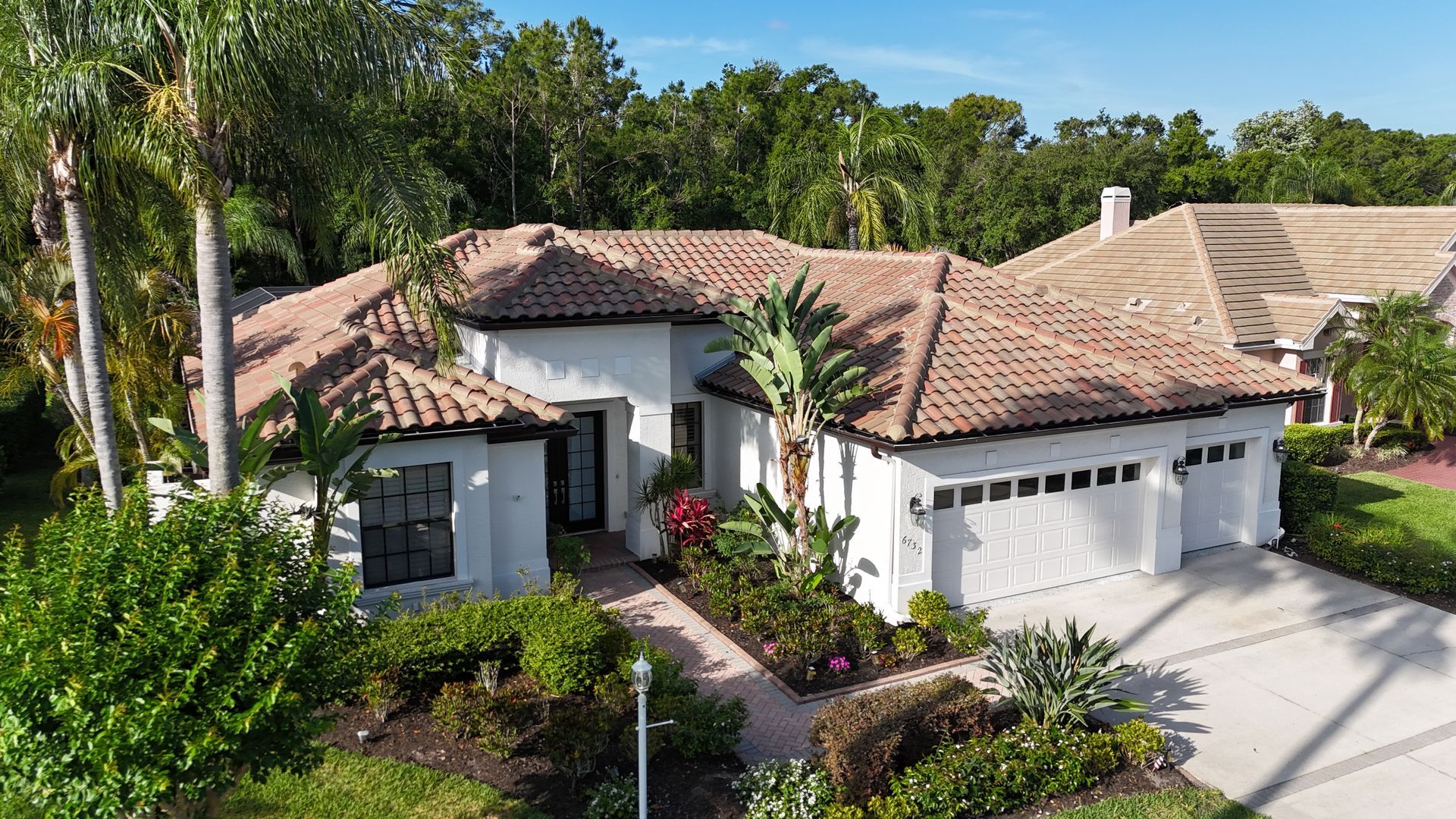
When you chose a tile roof for your home in Venice, Florida, you made a smart investment—one that offers beauty, durability and long‑term protection. But our coastal climate doesn’t give you a lifetime of worry‑free service. Between salt‑laden air, near‑constant humidity, intense sun and recurring storm events—your roof system is under more stress than many inland homes.
At Pelican Roofing, we specialise exclusively in tile roofing systems in the Venice area, and we see daily how coastal moisture drives roof repair needs earlier than many homeowners expect. In this guide, we’ll walk you through exactly how moisture, salt air and storms affect your roof components, how to recognise early warning signs, how often you should inspect and maintain your roof, what materials perform best in our environment, and how you can act now to stay ahead of costly repairs.
Why Coastal Moisture Matters for Roofs in Venice
Living along Florida’s gulf coast means your home isn’t just exposed to rain—it’s exposed to constant moisture, salt, wind and sun. The roof system you placed over your house is the first line of defense against all these elements, and each rooftop component—from tile to underlayment, flashing to deck—must perform despite those conditions.
Salt air is corrosive, humidity holds moisture against surfaces, wind‑driven rain forces water into places it shouldn't go, and long periods of moisture exposure accelerate wear. Even a high‑quality tile roof can begin to show signs of stress if the supporting components are compromised.
Because tile roofing systems rely on multiple layers working together—tiles, fasteners, underlayment, deck, flashing, drainage—the weakest link can dictate when a repair becomes necessary. In Venice’s environment, that weakest link is often a component affected by moisture or salt. A cracked tile might be the visible issue, but it could be just the tip of a larger moisture intrusion problem. Recognising that reality and acting early is what separates a routine repair from an emergency replacement.
How Salt‑Laden Air Impacts Roofing Materials
Salt doesn’t simply disappear when it settles on your roof. It deposits onto tile surfaces, into fastener holes, around flashing seams, in valleys and gutters—and when combined with moisture it becomes an active corrosive agent. Over time, microscopic salt crystals can embed in porous tile surfaces, penetrate cracks and fissures, expand under temperature changes and contribute to tile deterioration. While the tile material itself is resilient, the supporting components—metal clips, fasteners, flashing, nail heads—are vulnerable. Corrosion weakens the hold of the tile, allows movement, shifting or lifting during wind or heavy rain.
Additionally, salt residue holds moisture longer than clean surfaces. A tile roof with salt buildup takes longer to dry, meaning moisture lingers between tile and underlayment, giving water more opportunity to sneak beneath, causing underlayment degradation, deck softening or fastener loosening. For homeowners in Venice, this means the “normal” margin of time before repair is shorter than in less aggressive climates. Detecting salt accumulation and cleaning it away where safe is part of extending your tile roof’s lifespan.
Humidity, Moisture Intrusion and the Risks for Roof Systems
Humidity near the coast isn’t just outside—the moist air finds its way into attic spaces, under tile edges and into valleys between the tile field and flashing. When moisture stays too long, several harmful processes begin.
Biological Growth
Because moisture lingers under tile or in shaded roof areas, you may see moss, algae, lichen or dark streaking begin to form. At first it may look cosmetic—but when growth holds moisture against tile or flashing, it becomes a hidden threat. Moisture trapped beneath growth accelerates the wear on underlayment, encourages fastener corrosion and may lead to interior leaks. For tile roofs in a humid coastal setting like Venice, keeping the surface clear of growth is not just appearance—it’s protection.
Underlayment and Deck Damage
Your underlayment is the backup water‑resistant barrier beneath the visible tile. If moisture gets past the tile layer, or if flashing fails, the underlayment carries the brunt of exposure. In humid, salty conditions, underlayment may soften, lift, or deteriorate faster. Below that, the roof deck (typically plywood or OSB) may begin to absorb moisture, warp or rot. A seemingly intact tile surface can hide the fact that the layers beneath are compromised—meaning your home’s interior is at risk even if the roof looks fine.
Ventilation and Condensation Issues
Even though tile roofs are excellent at handling sun and weather, the interior of your attic or roof structure still needs proper ventilation. Humid air entering attic space, combined with inadequate exhaust or blocked soffit vents, leads to condensation. When moisture condenses on cooler surfaces such as rafters, deck undersides or insulation, you get mold, wood decay and insulation damage. This effect is magnified in coastal homes because of the constant supply of warm, humid air. Proper ventilation is essential to protecting your roof system from internal moisture damage.
Shortened System Lifespan
All of these factors—salt deposition, humidity, moisture intrusion, biological growth, flashing corrosion—combine to reduce effective roof lifespan in coastal settings. A tile roof under ideal circumstances might reliably deliver many decades of service, but in our environment those decades count on proactive maintenance and inspection. If left unchecked, moisture‑driven damage accelerates repair needs, raises risk of interior damage and compromises the value of your investment.
Specific Impacts on Tile Roof Systems in Venice
Since Pelican Roofing focuses exclusively on tile roofing systems, let’s zoom in on how the unique components of tile roofs respond to coastal moisture and what homeowners should watch for.
Tile Cracking, Breakage or Loosening
While tile material (clay or concrete) is chosen for durability, in the coastal environment cracked or broken tiles happen more than many owners realise. Moisture and salt infiltration around a tile edge, fastener or clip can cause subtle movement or expansion, leading to cracks. When a tile cracks or slips, it may no longer shed water effectively and exposes the underlayment. At that point, moisture intrusion accelerates. For tile roofs in Venice, a cracked tile isn’t just an aesthetic concern—it’s a potential entry point for system failure.
Flashing, Metal Clips, Hip and Ridge Components
The flashing (around hips, ridges, valleys, chimneys and vents) and metal fasteners in a tile system are often the first components to deteriorate under coastal moisture and salt. Corrosion, rust and seam separation occur when salt moisture attacks metal and sealants degrade in humid air. This leads to flashing failure, which allows water intrusion beneath the tile. Even if the tiles look perfect, flashing breakdown is a major source of leaks. A professional inspection will check these components thoroughly, especially after wind or rain storms.
Valleys, Gutters and Drainage Paths
Tile roofs channel water via the tile field into valleys, gutters and downspouts. In the coastal environment, debris accumulation (from palms, oaks, pines) is heightened and salt residue builds up in gutters and valleys, slowing drainage or trapping moisture. When water pools or drains slowly, it increases exposure time of moisture to tile, flashing and underlayment. For homeowners in Venice, keeping drainage paths clear and ensuring valleys are free of build‑up is a critical maintenance task.
Attic and Ventilation Effects Under Tile Systems
Because tile roofs have substantial profiles, the attic or roof space beneath them can become a warm chamber of humid air. Without proper intake (soffit vents) and exhaust (ridge or hip vents) the attic humidity rises, condensation forms and moisture can migrate upward into tile edges or underside of decking. For tile systems, this can mean the deck begins to warp, fasteners loosen, underlayment lifts. In the coastal setting, internal moisture is just as dangerous as external rain intrusion.
Accelerated Aging and Repair Needs
Put it all together: salt air, humidity, moisture exposure, wind/storm events, biological growth, drainage issues—these accelerate the aging of your tile roof system. Repair needs emerge sooner, hidden damage is more likely and the margin for long‑term performance narrows. The visual tile field may appear intact while the system beneath has become compromised—leading to interior damage and major cost if delayed.
What Signs to Watch For on Your Coastal Home
Knowing what to look for can help you act early and book an inspection before a minor issue becomes major. Here are the red flags coastal homeowners should pay attention to.
Visible Exterior Signs
Check your roof from the ground (and hire a professional for closer inspection): look for cracked, chipped or missing tiles; tiles that appear misaligned or shifted; dark streaks or green/black staining from moss, algae or lichen; a chalky white residue on tile surfaces (efflorescence) indicating salt migration; flashing that appears rust‑discolored, sealant cracks or seams that appear open; valleys or gutters with debris and stagnant water visible. These are all exterior indicators that moisture, salt or drainage issues are at work.
Interior or Attic Signs
Inside your attic or home you might see stains on the ceiling or eaves, peeling paint near soffits, musty odors in the attic, insulation that is damp or compressed, condensation on rafters or deck undersides, a sagging roof deck or wavy ridge line. These signs mean moisture has penetrated beyond the tile layer and is affecting the structural system. In a coastal environment, don’t ignore attic humidity or interior evidence of moisture—they point to repair needs under the surface.
Post‑Storm or Wind Event Signs
After a storm or high‑wind event, inspect for shifted or lifted tiles, gaps along hips or ridges, missing hip or ridge caps, dented or bent flashings, debris lodged in valleys, and any interior signs of leak or water ingress. Coastal homes are exposed to stronger wind/rain events, and tile systems under stress may develop hidden damage in those moments.
Drainage & Debris Accumulation
If gutters are full of fronds or leaves, valleys are blocked, or you notice water still standing in roof depressions or near the eaves after a rain, you have a drainage problem. On a tile roof in Venice, poor drainage means longer moisture contact times, salt buildup and increased risk of underlayment damage or flashing failure.
How Often Should Coastal Roofs in Venice Be Inspected?
Because the risk factors are higher for coastal homes, inspection frequency should be greater than for inland homes. For a tile roofing system in Venice, here is our recommendation: schedule a professional tile‑roof inspection every 1 to 2 years, and always schedule one after major storms or high‑wind events. If you live in a heavily shaded area, have trees overhanging your roof, or have seen moss/algae growth begin, an annual inspection is wise.
Why this frequency? Because salt and humidity are continuous stressors, not occasional. They gradually degrade components like flashing, fasteners, underlayment and roof deck. Waiting five years between inspections allows small damage to propagate beneath the surface. An inspection every 1‑2 years—and ideally following each major weather event—lets you catch issues early, often allowing simpler repairs instead of larger, disruptive ones.
During inspection we examine the tile field, flashing, hip/ridge condition, verify fasteners and clips, inspect underlayment and deck condition (via accessible points), check attic ventilation and monitor drainage pathways. We document our findings with photos, provide a report, and make recommendations. A proactive inspection every 1‑2 years is how you protect your tile roof’s performance and value in Venice’s demanding climate.
Best Performing Materials & Systems in Humid Coastal Climates
If your roof is already a tile system, you’ve chosen well—but focusing on quality materials and components makes a real difference. Here’s what performs best and what to ask your contractor about.
Clay or Concrete Tile Roofing
These materials are inherently suitable for coastal climates: non‑combustible, durable, capable of withstanding sun and wind, and resistant to many types of wear. In our environment the tile surface holds up—but only when the supporting system (fasteners, underlayment, flashing) is properly installed and maintained. When you choose or maintain your roof, look for premium tile profiles, secure fastening, proper clip or mortar systems where required, and a contractor experienced in tile repairs in Florida’s coastal context.
Corrosion‑Resistant Fasteners & Flashing
Since salt and moisture target metal, choosing stainless‑steel or aluminum flashing, rust‑proof clips and fasteners, and sealants formulated for coastal exposure is a smart move. When flashing seams, valley liners, hip/ridge caps and fasteners are correctly specified for coastal use, the risk of early failure drops significantly. Ask whether the materials used meet coastal‑grade specifications or are simply standard residential grade.
Underlayment & Deck Systems Designed for Moisture
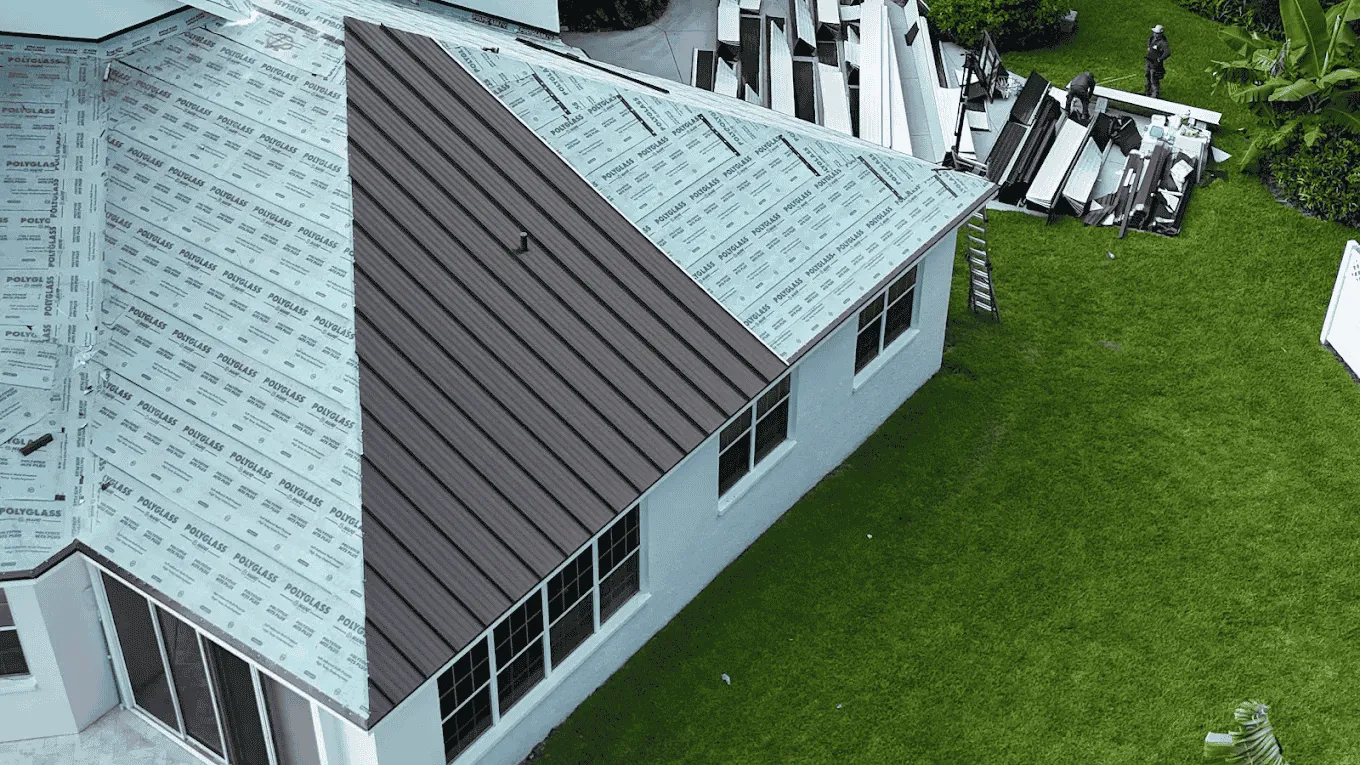
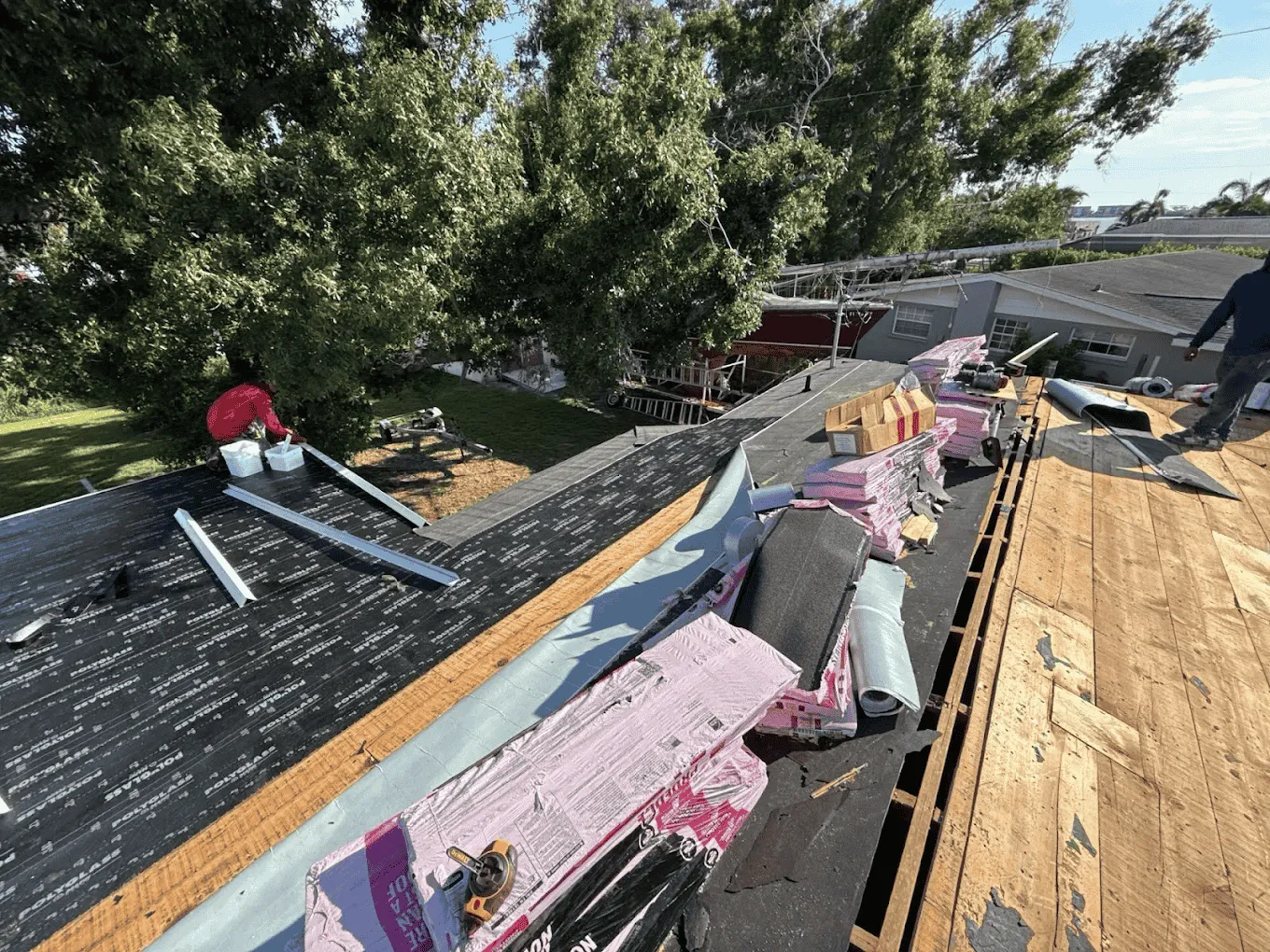
Underlayment matters as much as tile in protected sea‑air environments. Opt for underlayment systems rated for high moisture or designed for tropical/subtropical climate exposure. Similarly, the roof deck must be built for ventilation, support and resistance to moisture intrusion. Without a good underlayment and deck system, even the best tiles will underperform.
Proper Ventilation & Attic Moisture Control
Attic ventilation is often overlooked until damage appears. In a humid, high‑moisture environment like Venice, ensuring adequate soffit intake, ridge or hip exhaust and free attic airflow matters. Proper ventilation removes warm, moist air from the attic before it condenses on surfaces or migrates into your roof system. This helps protect underlayment and decking and reduces the risk of mold or wood rot.
Effective Drainage & Routine Debris Management
In coastal areas, debris accumulates faster, salt residue deposits more rapidly and drainage systems face more load. Clean valleys, gutters, downspouts, and ensure roof intersections and penetrations are free of debris. Effective drainage means water spends less time in contact with the roof layers, which reduces moisture penetration risk. Regular maintenance of drainage systems is a key element in long‐term roof health.
Why Professional Inspection & Timely Repair Matter
You might feel confident that your tile roof will last decades—but here’s the reality: without professional inspection and timely repair, coastal moisture will slip under the surface, silently degrade your system, and result in major cost later. At Pelican Roofing, we emphasise three critical factors:
Visibility and Early Detection
Many homeowners think a roof “looks fine,” yet hidden damage is underway: underlayment lifting, flashing corrosion, fastener loosening, deck warping. A professional inspector trained in tile systems will recognise these early signs before interior damage occurs. Early detection means smaller repairs.
Cost Avoidance
What begins as replacing a cracked tile or cleaning algae may, if delayed, turn into underlayment removal, deck repair, large flashing replacement or interior ceiling damage. The coastal environment shortens the window between “noticeable damage” and “expensive repair.” Acting early through inspection and maintenance saves money and reduces disruption.
Preserving the Value and Lifespan of Your Roof
A well‑maintained tile roof in Venice can easily deliver decades of service. But only if all components—tiles, underlayment, flashing, fasteners, deck, ventilation—are working together and maintained. Routine inspections, timely repairs, proper materials and professional execution protect your investment. The difference between a tile roof that lasts decades and one that needs replacement far earlier often comes down to maintenance and repair timing in our coastal climate.
What Homeowners Should Do Now in Venice
If your home has a tile roof in the Venice area, here are action steps you should take:
- Schedule a professional tile roof inspection if it has been more than one year since your last one, or if you’ve recently had a storm or high‑wind event.
- While you wait for inspection, perform a visual check from ground level: look for cracked or missing tiles, dark or green staining, white chalk residue, rusted flashing, full gutters or valley debris.
- Go into your attic (if safe) and check for musty odors, insulation dampness, condensation on rafters or deck undersides, or sagging around the roof deck.
- Ensure gutters, valleys and downspouts are clear of leaves, fronds and debris; remove any visible moss, lichen or algae from tile surfaces (using safe, low‑pressure methods) to reduce moisture retention.
- Avoid using high‑pressure washers on tile roofs—moisture and salt may be forced under tiles, fasteners may loosen, tiles can crack; a professional tile‑roof specialist should clean and inspect instead.
- Ask your roofing specialist about corrosion‑resistant materials for fasteners and flashing, about the condition of underlayment and flashing systems in your home, and about your ventilation and attic moisture control.
- Keep records of inspections, photographs, work done, material used, and future maintenance schedules. Documentation matters for resale value, warranty claims and peace of mind.
Frequently Asked Questions (FAQ)
Does coastal air really cause faster roof damage in Venice?
Yes. Between salt deposition, persistent humidity and wind‑driven rain, your roof is under constant exposure to moisture-related stress that inland roofs don’t face. Salt accelerates corrosion, moisture retention increases underlayment stress, and wind/rain cause more frequent damage pathways.
What signs show moisture damage on a roof?
Look for cracked, missing or shifted tiles; dark green or black staining on tile surfaces (moss/algae); white chalky residue (efflorescence) indicating salt migration; rust or discoloration on flashing; debris‑filled valleys or gutters; interior signs like ceiling stains, attic dampness, condensation on rafters or sagging deck.
Can salt air reduce roof lifespan significantly?
Yes. Even high‑quality tile systems suffer reduced effective lifespan when supporting components degrade due to salt and moisture. Flashing, fasteners, underlayment—all degrade faster, meaning the system’s useful life may be shortened unless maintained proactively.
How often should coastal roofs in Venice be inspected?
For tile roofing systems in Venice’s coastal climate, a professional inspection every 1 to 2 years is advisable. Always inspect after major storms or wind events as well. This helps catch issues early before they develop into major repair or replacement needs.
What materials perform best in humid coastal climates like Venice?
Clay or concrete tile roofs perform well when paired with premium supporting materials: corrosion‑resistant flashing and fasteners (stainless or aluminum), underlayment rated for high‑moisture exposure, proper attic ventilation and well‑managed drainage. Quality installation and materials are the keys.
What happens if I delay inspection or repair in a coastal environment?
Delaying puts you at risk of hidden damage becoming major. What may be a small tile repair turns into underlayment replacement, deck repair or interior water damage. Moisture intrusion accelerates, structural damage increases and costs go up. Acting early preserves the roof’s lifespan and value.
Is DIY maintenance adequate for a tile roof in Venice?
DIY visual inspection is helpful but limited. A tile roof in a coastal environment requires professional inspection because of hidden layers, flashing systems, underlayment and drainage paths. Additionally, improper tools or cleaning (e.g., high‑pressure washing) can harm tile systems rather than help.
How can I protect my roof from storm damage and coastal moisture?
Ensure secure fastening of tiles, corrosion‑resistant flashings and fasteners, effective attic ventilation, clear gutters and valleys, prompt removal of moss/algae and routine inspection after storms. Partner with a specialist familiar with coastal tile roofing systems to stay ahead of issues.
Addressing Your Roof Repair Needs in Venice FL
Your tile roof is a major asset—protecting your home, preserving its value and enhancing its appearance. In Venice’s coastal setting, you face more environmental stress than many homeowners do, which means more vigilance, more specialist expertise and more proactive care are required. At Pelican Roofing, we bring deep, exclusive expertise in tile roofing systems in coastal Florida—understanding salt air, humidity, wind, moisture and how they affect each layer of your roof system.
If your roof has not been inspected recently, if you’ve noticed signs of wear or interior moisture, or if you simply want to protect your investment proactively—now is the time to act. Schedule a professional tile‑roof inspection with us, have your roof evaluated, document its condition and develop a plan for repair or maintenance. By acting early you preserve your investment, reduce repair costs, avoid interior damage and maintain the long‑term performance of your roof.
Let us help you stay ahead of coastal moisture, salt exposure and storm risk. Your home in Venice deserves the best protection—and your tile roof deserves specialist care tailored to this environment. When you’re ready, we’re here for you.