Metal, Tile, or Shingle Roofing: Choosing the Right Option for Florida Homes
Choosing the right roofing material in Florida is not simply a matter of appearance. The state’s climate places extreme demands on every roof, from relentless sun and high humidity to salt air and powerful storms. Homeowners comparing roofing materials are often trying to answer one core question: which system will truly hold up over time in Florida conditions?
Metal, tile, and shingle roofing systems are the most commonly discussed residential options, and each performs differently when exposed to heat, moisture, and wind. Understanding those differences is essential before making a long-term decision. While many homeowners begin this comparison early in the planning process, the goal is not to find a universal “best” roof, but rather the right roof for Florida’s environment and for the expectations you have as a homeowner.
This guide is designed to help you compare how metal, tile, and shingle roofing systems respond to Florida’s unique challenges without focusing on pricing. By understanding performance, durability, maintenance needs, and lifespan considerations, you can make a more informed decision and better appreciate why professional guidance matters when selecting a roofing system.
Why Florida’s Climate Demands Careful Roofing Decisions
Florida roofs operate under constant stress. Intense UV exposure accelerates material aging, daily heat cycles cause expansion and contraction, and high humidity challenges moisture control systems. Add seasonal downpours, tropical storms, and coastal salt air, and it becomes clear why roofing material selection matters so much.
A roofing system that performs well in cooler or drier climates may struggle in Florida if it is not designed to handle these conditions. This is why material comparisons should focus on performance characteristics rather than appearance alone. Longevity, resistance to weather extremes, and how the system ages over time all play a critical role in determining whether a roof is truly suitable for a Florida home.
How Metal Roofing Performs in Florida Conditions
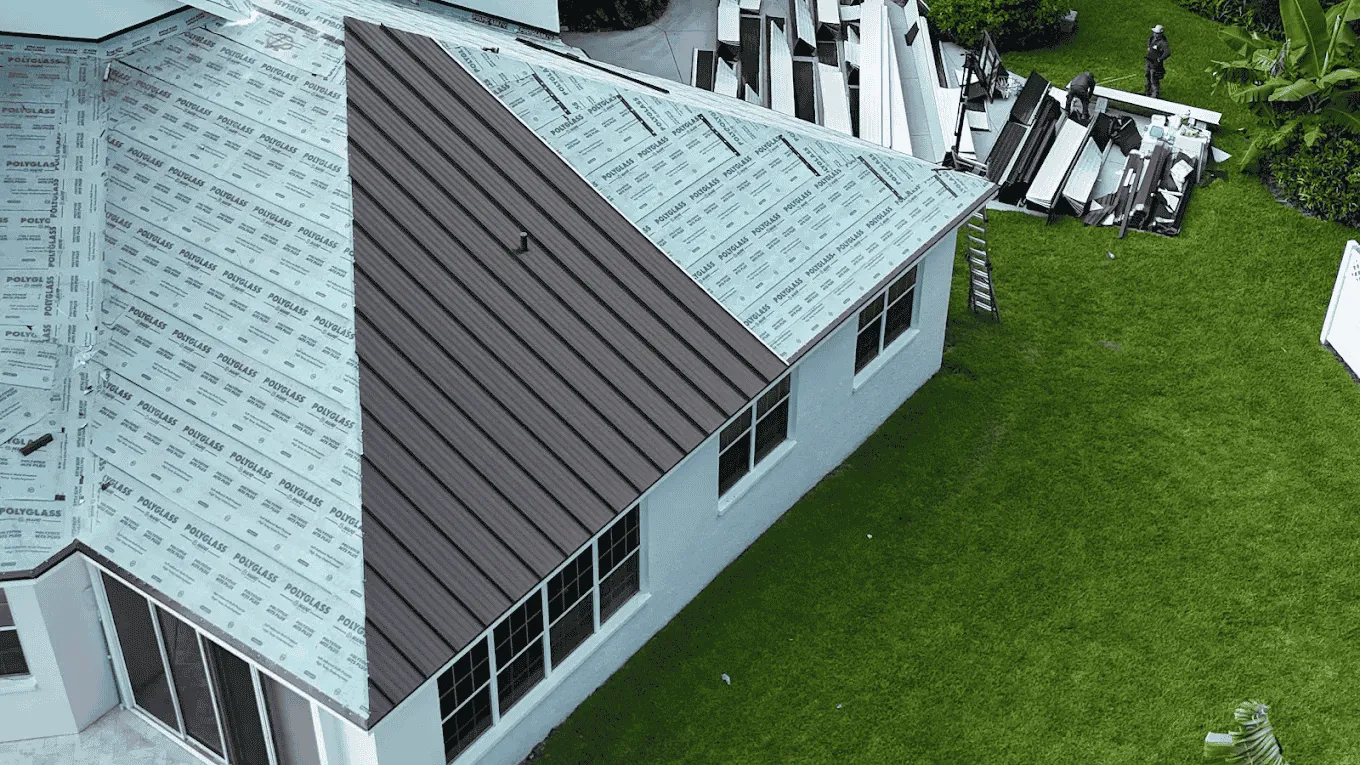
Metal roofing is often considered for its durability and modern appearance. In Florida’s heat, metal reflects solar radiation efficiently, which can help reduce heat absorption when installed with proper ventilation and insulation. This reflective quality can be especially appealing in regions where cooling demands are high year-round.
In coastal environments, metal roofing can perform well when the appropriate materials and protective coatings are used. Corrosion resistance is essential near saltwater, and not all metal systems are created equal in this regard. When properly specified and installed, metal roofs can handle high winds and shed rain effectively.
However, metal roofing is highly dependent on correct installation. Fastening systems, panel alignment, and expansion allowances must be carefully planned to prevent issues over time. In Florida, where storms and thermal movement are common, installation quality directly impacts long-term performance.
The Strength of Tile Roofing in Heat, Humidity, and Storms
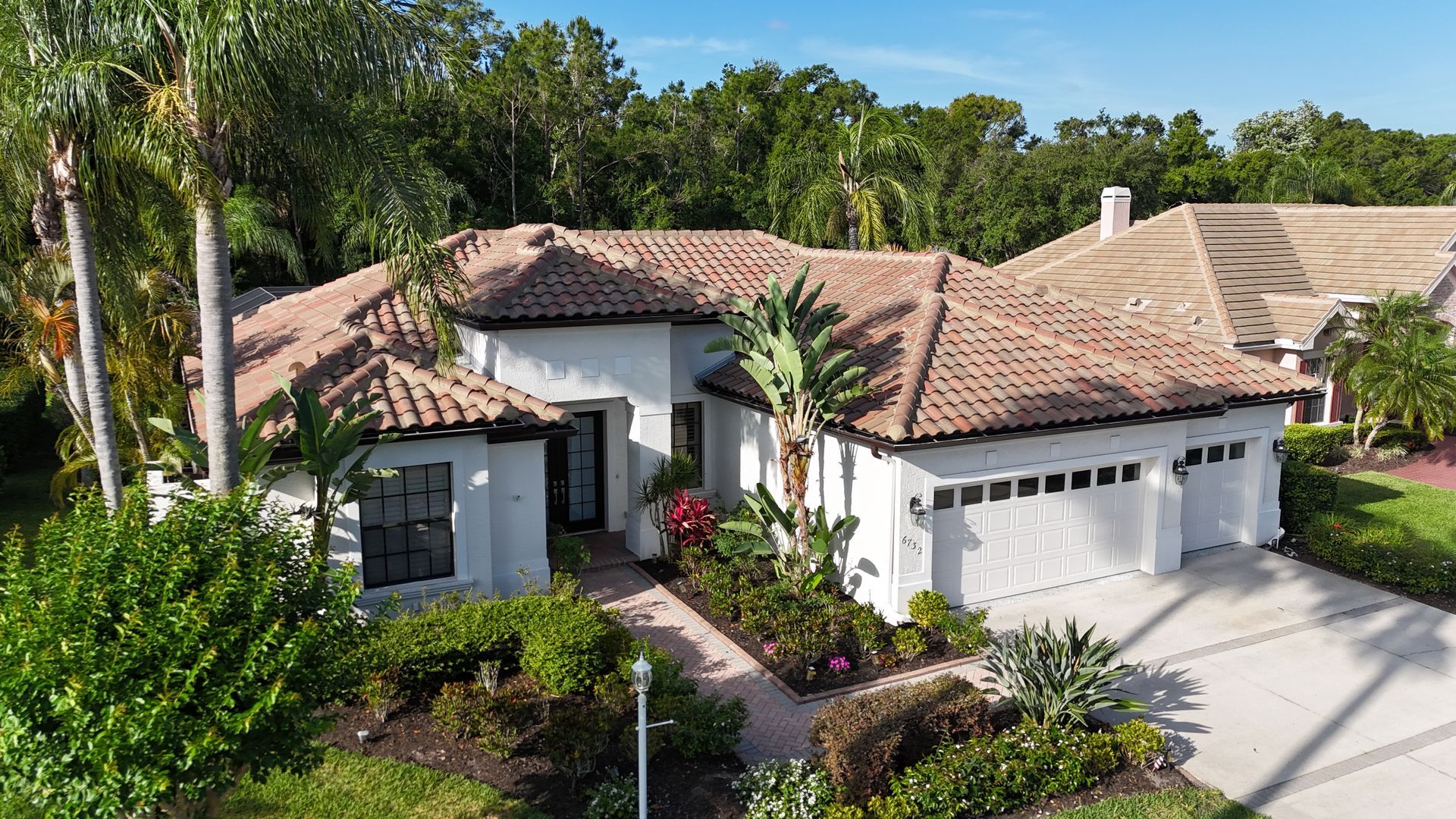
Tile roofing has a long history in Florida for good reason. Clay and concrete tiles are naturally resistant to heat and do not degrade under prolonged sun exposure the way some materials can. Their thermal mass helps moderate temperature fluctuations, contributing to a more stable indoor environment.
In humid conditions, tile roofing performs exceptionally well because it is not prone to rot or insect damage. The system design allows air circulation beneath the tiles, which helps manage moisture and reduces the risk of trapped humidity. This feature is particularly valuable during Florida’s long rainy seasons.
Tile roofs are also known for their performance in high winds when properly installed. Modern fastening systems and adherence to Florida building codes allow tile roofs to withstand severe weather events. While individual tiles can be replaced if damaged, the overall system is designed for longevity, often lasting decades when maintained correctly.
For homeowners seeking long-term durability and proven performance in Florida’s climate, tile roofing remains a standout option, especially when installed by specialists such as Pelican Roofing.
Understanding Shingle Roofing in Florida’s Environment
Shingle roofing is widely used across the country and is often discussed in material comparisons. In Florida, however, shingles face unique challenges due to heat and humidity. Prolonged sun exposure can accelerate aging, causing shingles to lose flexibility and protective granules over time.
High humidity and frequent rain increase the risk of moisture-related issues if ventilation and underlayment systems are not carefully designed. In hot climates, shingles tend to have a shorter functional lifespan compared to materials that are more resistant to thermal stress.
While shingles may be suitable in certain scenarios, Florida homeowners should understand how quickly environmental factors can affect performance. Material choice directly influences how often repairs or replacement may be needed over the life of the roof.
Which Roofing Material Lasts Longest in Florida?
Longevity is one of the most important considerations for homeowners comparing roofing systems. In Florida’s demanding climate, materials that resist UV degradation, moisture intrusion, and wind damage tend to last longer.
Tile roofing is widely recognized for its extended lifespan, often outlasting other systems when installed and maintained correctly. Metal roofing can also provide long-term performance, particularly when corrosion-resistant materials are used and installation accounts for Florida’s weather patterns.
Shingle roofing generally has a shorter lifespan in hot, humid environments, as constant exposure to sun and moisture accelerates wear. Understanding these lifespan differences helps homeowners align their expectations with the realities of Florida living.
Are Metal Roofs a Good Choice for Coastal Areas?
Coastal Florida presents additional challenges due to salt air, which can accelerate corrosion. Metal roofs can perform well in these areas when designed with coastal conditions in mind. The use of appropriate alloys, coatings, and fastening systems is essential.
Without these protections, metal roofing may require more frequent maintenance to address corrosion-related concerns. Homeowners near the coast should ensure any metal roofing system is specifically rated for marine environments and installed by professionals familiar with coastal building requirements.
Do Tile Roofs Require More Maintenance?
Tile roofs are often perceived as high-maintenance, but in reality, they are relatively low-maintenance when compared to many other systems. Tiles themselves are highly durable and resistant to environmental damage. Routine inspections help identify cracked or displaced tiles, which can be addressed without disturbing the entire roof.
Maintenance for tile roofing in Florida typically focuses on ensuring drainage pathways remain clear and that flashing and underlayment continue to perform as intended. Because the system is built for longevity, maintenance is generally preventative rather than reactive.
Are Shingles Suitable for Hot Climates?
In hot climates like Florida, shingles can face challenges related to heat retention and material degradation. High temperatures can cause shingles to age faster, reducing their effectiveness over time. Proper attic ventilation and installation techniques can help mitigate some of these effects, but the material itself remains more vulnerable to heat stress than tile or metal.
Homeowners considering shingles should weigh how heat exposure may influence long-term performance and replacement cycles.
Can Roofing Material Choice Affect Roof Lifespan?
Material choice has a direct impact on roof lifespan, particularly in Florida. A roofing system designed to withstand heat, humidity, and storms will naturally perform better over time than one that struggles under those conditions.
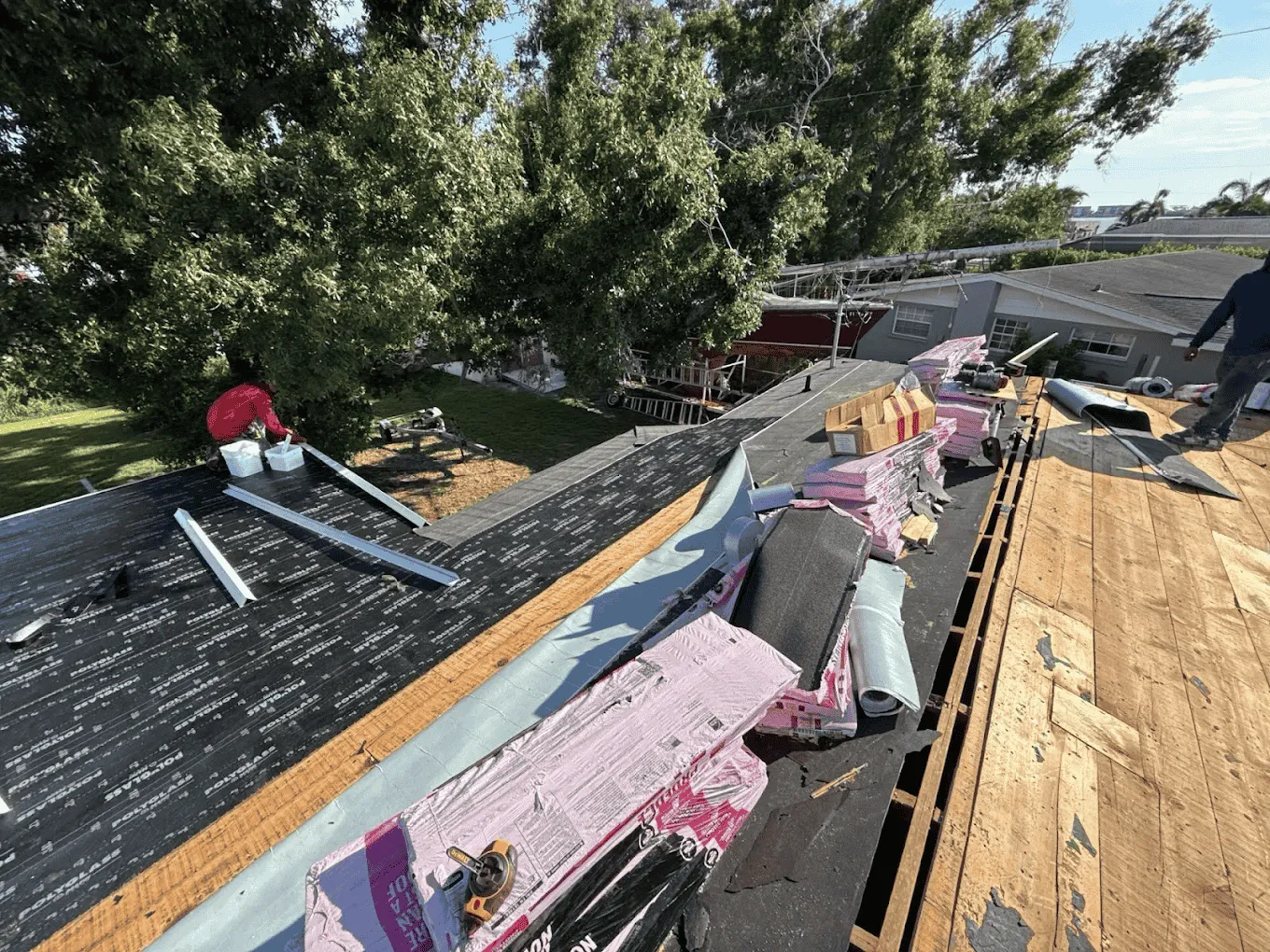
Beyond the material itself, installation quality and system design play a crucial role. Even the most durable material can underperform if it is not installed correctly or if supporting components are not designed for Florida’s climate.
Frequently Asked Questions About Roofing Materials in Florida
Which roofing material lasts the longest in Florida’s climate?
In Florida’s heat, humidity, and storm conditions, tile roofing is widely regarded as one of the longest-lasting residential roofing systems. Clay and concrete tiles resist UV damage, moisture, insects, and fire, and they do not deteriorate as quickly as many other materials under constant sun exposure. When properly installed and maintained, a tile roof can protect a Florida home for decades, making longevity one of its strongest advantages.
Are metal roofs a good choice for coastal Florida homes?
Metal roofs can perform well in coastal environments when they are specifically designed for salt-air exposure. The key factor is corrosion resistance. Coastal-rated metals, protective coatings, and proper fastening systems are essential to prevent premature deterioration. Without those safeguards, salt air can accelerate wear. Professional evaluation is critical to determine whether a metal system is suitable for a specific coastal location.
Do tile roofs require more maintenance than other roofing systems?
Tile roofs are often assumed to be high-maintenance, but in practice, they typically require less ongoing maintenance than many homeowners expect. The tiles themselves are highly durable and resistant to rot, insects, and moisture. Routine inspections help identify cracked or displaced tiles, which can usually be replaced individually without affecting the rest of the roof. Most tile roof maintenance in Florida is preventative rather than corrective.
Are shingle roofs suitable for hot and humid climates like Florida?
Shingle roofing can face challenges in Florida’s climate due to prolonged heat and humidity. Constant UV exposure can accelerate aging, while moisture can affect performance if ventilation and underlayment are not ideal. While shingles are used in Florida, homeowners should understand that heat stress and humidity often shorten their functional lifespan compared to materials that are naturally more resistant to these conditions.
Can the roofing material I choose affect how long my roof lasts?
Yes, roofing material choice has a direct impact on roof lifespan, especially in Florida. Materials that resist heat, moisture, and storm damage tend to perform better over time. Just as important as the material itself is proper installation. A professionally designed and installed tile roofing system, such as those handled by Pelican Roofing, maximizes lifespan by ensuring every component is built to withstand Florida’s demanding environment.
Making an Informed Roofing Decision in Florida
Choosing between metal, tile, and shingle roofing requires more than a surface-level comparison. Florida homeowners benefit from understanding how each material responds to the state’s unique environmental demands and how those responses affect long-term performance.
Tile roofing continues to stand out for its durability, resistance to heat and moisture, and proven track record in Florida homes. Metal roofing offers strength and reflectivity when properly specified, while shingles require careful consideration due to their sensitivity to heat and humidity.
Ultimately, the right choice is the one that aligns with Florida’s climate realities and your expectations for longevity and reliability.
With professional guidance and a clear understanding of material performance, homeowners can move forward with confidence, knowing their roof is prepared to protect their home for years to come.