Roof Replacement Services for Florida Homes: When Repair Is No Longer Enough
For Florida homeowners, the roof is more than just another part of the house. It is the primary shield against relentless sun, heavy rain, high humidity, salt air, and the seasonal threat of tropical storms and hurricanes. Over time, even the most well-built roof reaches a point where repairs are no longer enough. When that moment arrives, understanding roof replacement becomes critical, especially for homeowners who want long-term protection rather than temporary solutions.
Roof replacement is not a decision most people make lightly. It is often prompted by ongoing problems, repeated repairs, or professional advice that signals the roof system has reached the end of its useful life. For homes with tile roofing, replacement is a detailed and highly specialized process that requires experience, precision, and a deep understanding of Florida’s building codes and environmental demands.
This guide is designed for homeowners who are actively considering roof replacement and want clarity before moving forward. It explains how to recognize when replacement is necessary, whether repairs can realistically delay it, what the replacement process involves, how documentation protects you, and what level of disruption to expect. When replacement is done correctly by a tile roofing specialist such as Pelican Roofing, it becomes an investment in safety, performance, and long-term peace of mind.
Understanding the Difference Between Repair and Replacement
Roof repairs are meant to address isolated issues. A cracked tile, a minor leak, or localized flashing damage can often be corrected without disturbing the entire roof system. Replacement, on the other hand, addresses the condition of the roof as a whole. It is necessary when the system has aged, deteriorated, or sustained damage beyond what targeted repairs can reliably fix.
In Florida, roofs are exposed to conditions that accelerate wear. Constant UV exposure weakens materials, while humidity and wind-driven rain test waterproofing layers beneath the surface. Over time, the cumulative impact of these elements can compromise even a roof that looks acceptable from the ground.
Tile roofs are known for their longevity, but they are still systems with multiple components. While tiles themselves may last decades, underlayment, fasteners, and structural elements have finite lifespans. When those components begin to fail, repairs often become repetitive and increasingly expensive. Recognizing this shift is the first step toward making a smart replacement decision.
How Do You Know Your Roof Needs Replacement?
One of the clearest indicators that a roof needs replacement is the frequency of repairs. If you find yourself addressing leaks or tile issues year after year, it may be a sign that the underlying system is no longer performing as it should. Repeated problems often indicate widespread underlayment deterioration or structural concerns that repairs cannot fully resolve.
Interior signs also matter. Water stains on ceilings, peeling paint, or musty odors can signal moisture intrusion that has gone beyond a single weak point. In many cases, these symptoms appear after years of minor issues that were temporarily patched rather than permanently solved.
Age is another important factor. Even well-maintained tile roofs reach a stage where the supporting materials beneath the tiles are no longer reliable. If your roof is approaching or exceeding its expected service life, a professional inspection can determine whether replacement is the safer and more cost-effective option.
Finally, storm damage often accelerates the need for replacement. High winds can loosen tiles, and heavy rains can exploit weaknesses in aging underlayment. After major weather events, an inspection may reveal that the roof system can no longer be restored to full integrity through repairs alone.
Can Repairs Delay Replacement?
In some cases, strategic repairs can extend the life of a roof for a limited time. This is most effective when problems are caught early and the overall system is still in good condition. A skilled contractor can assess whether targeted repairs make sense or whether they would simply postpone the inevitable.
However, there is a point where repairs become a short-term fix rather than a solution. When underlying materials have deteriorated across large sections of the roof, repairing surface-level issues does little to address the real problem. At that stage, money spent on repeated repairs could often be better invested in replacement.
For Florida homeowners, this decision is especially important because a compromised roof increases the risk of interior damage during storms. Delaying replacement too long can result in water intrusion that affects insulation, drywall, and even structural components of the home.
A professional inspection provides clarity. Rather than guessing, homeowners can rely on expert evaluation to determine whether repairs will genuinely buy time or whether replacement is the responsible next step.
Why Professional Inspection Is Critical Before Replacement
Roof replacement should never begin without a thorough inspection. This evaluation looks beyond visible damage to assess the condition of the roof deck, underlayment, ventilation, flashing, and structural support. For tile roofs, weight and load considerations are also carefully reviewed.
Florida’s building codes require roof systems to meet strict standards for wind resistance and water protection. A professional inspection ensures the replacement plan complies with these requirements and identifies any necessary upgrades before work begins.
Inspection also allows for accurate planning. Measurements, material quantities, and installation details are established upfront, reducing surprises during the project. Homeowners benefit from realistic timelines and clear expectations, which are essential for a smooth replacement experience.
What Happens During Roof Replacement?
Roof replacement is a structured process that unfolds in carefully managed phases. It begins with site preparation, including protecting landscaping, setting up safety equipment, and staging materials. Clear communication ensures homeowners know what to expect each day.
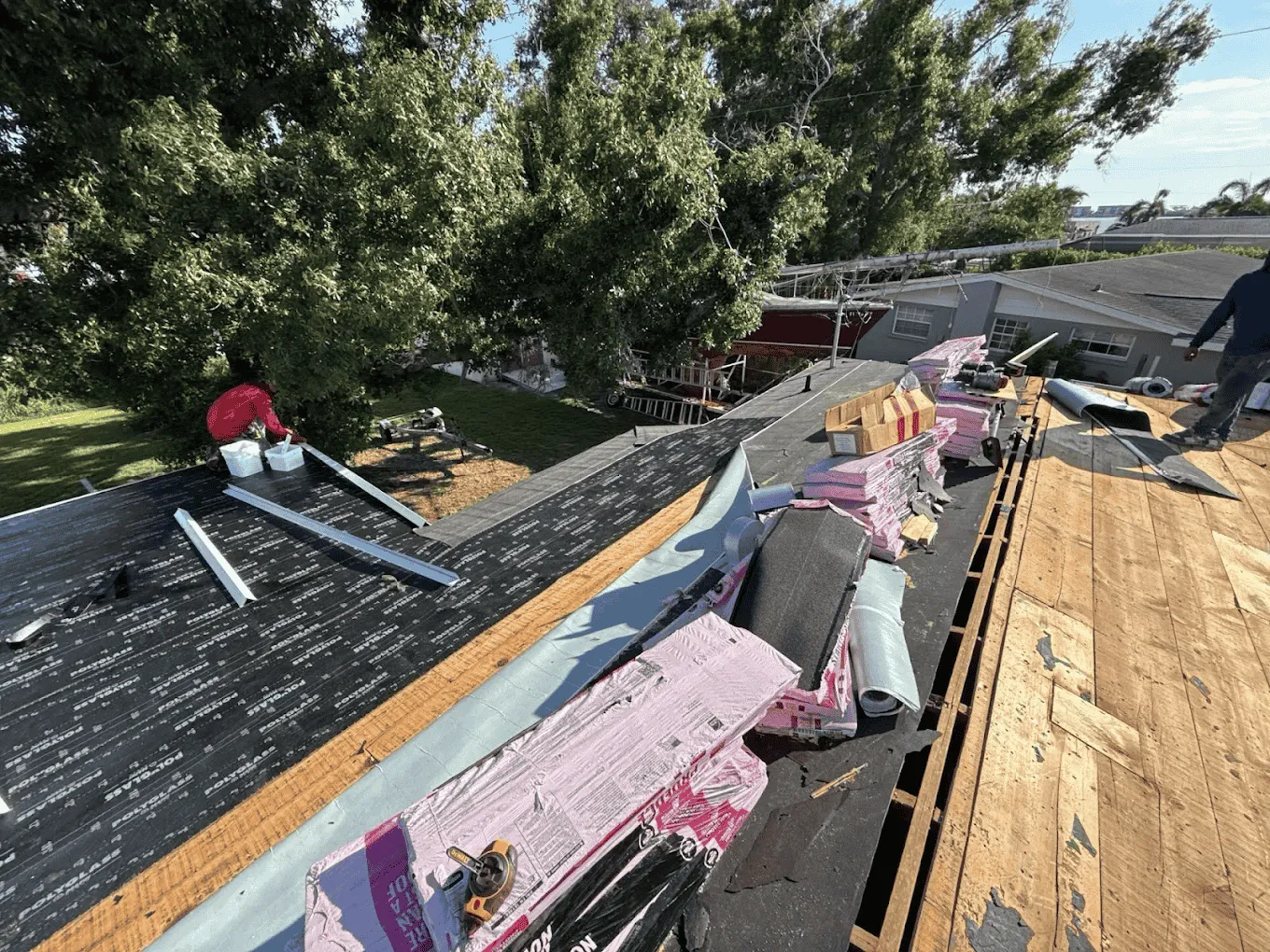
The next phase involves removing existing roofing materials to expose the roof deck. This step is crucial because it allows for inspection and repair of any damaged decking. A solid foundation is essential for a successful tile roof replacement, and no new system should be installed over compromised materials.
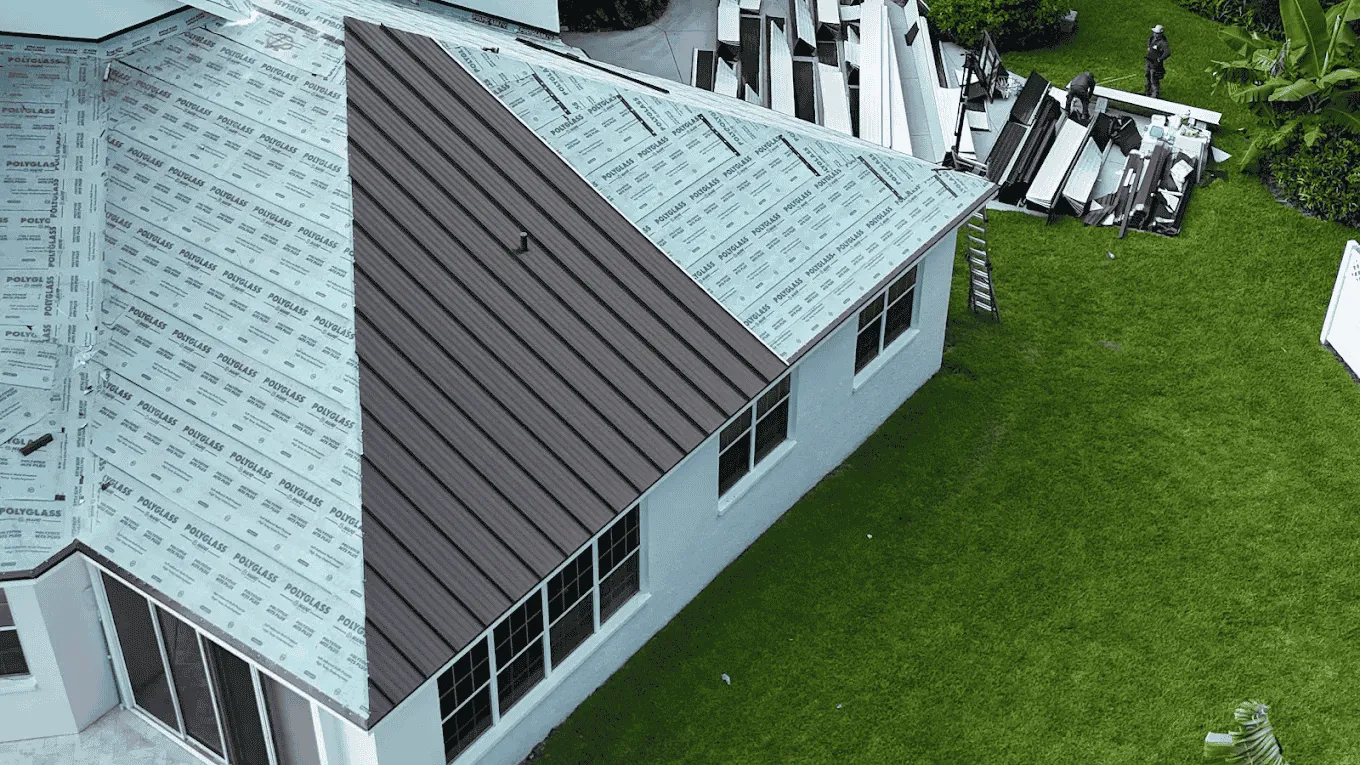
Once the deck is confirmed to be sound, new underlayment is installed. This layer serves as a critical waterproof barrier, particularly important in Florida’s heavy rain environment. Proper installation of underlayment significantly enhances the roof’s ability to protect the home.
Tile installation follows, with each tile placed and secured according to manufacturer specifications and local codes. Special attention is given to ridges, hips, valleys, and flashing areas to ensure water is directed away from the structure. The process is meticulous, prioritizing precision over speed.
Final inspections and cleanup complete the project. The goal is a roof that not only looks exceptional but performs reliably for decades.
How Long Does Roof Replacement Take?
The timeline for roof replacement varies based on roof size, complexity, weather conditions, and material selection. Tile roof replacement generally takes longer than simpler systems due to the care required in handling and installing each tile.
Weather is a significant factor in Florida. Afternoon storms or high winds may pause work temporarily to maintain safety and quality. A professional contractor accounts for these variables when estimating timelines and communicates updates as conditions change.
While homeowners may be eager for completion, it is important to remember that quality workmanship cannot be rushed. A properly installed tile roof is worth the time investment, providing long-term durability and peace of mind.
How Disruptive Is Roof Replacement?
Roof replacement is an active construction process, and some level of disruption is unavoidable. Noise from material removal and installation is common during working hours, and there may be increased activity around the property.
Most homeowners can remain in their homes during replacement. However, it is wise to secure fragile items, make arrangements for pets sensitive to noise, and plan for limited access to certain areas of the yard or driveway.
Professional crews work to minimize disruption by maintaining an organized job site, adhering to schedules, and communicating clearly. Knowing what to expect helps homeowners feel more comfortable throughout the process.
Will You Receive Documentation After Replacement?
Documentation is an essential part of roof replacement and should never be overlooked. Homeowners should receive records that confirm the scope of work performed, materials used, and inspections completed. This documentation serves as proof that the roof was installed according to code and professional standards.
Warranties are another critical component. Tile roofing systems often come with material warranties, and reputable contractors provide workmanship warranties as well. Understanding these protections helps homeowners feel confident in their investment.
Documentation also adds value to your home. If you sell in the future, having clear records of a professionally replaced roof can be a strong selling point and provide reassurance to potential buyers.
The Long-Term Benefits of Roof Replacement
Replacing a roof is not just about solving current problems. It is about improving the home’s overall performance and resilience. A new tile roof enhances protection against weather, improves energy efficiency, and restores confidence in the home’s safety.
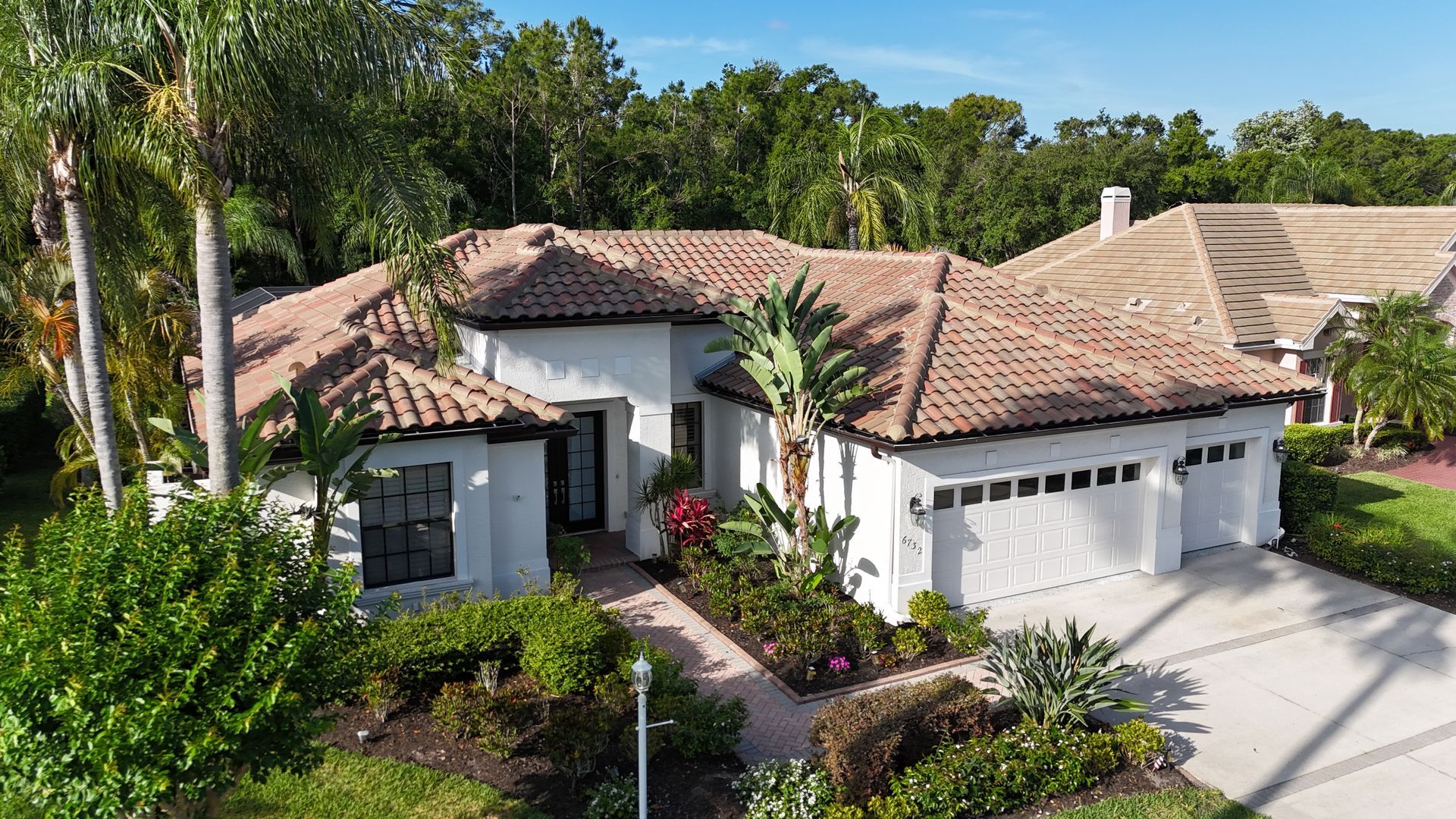
In Florida, a properly installed tile roof offers exceptional resistance to fire, insects, and extreme weather. It also contributes to curb appeal, reinforcing the architectural character of the home.
When replacement is done correctly, homeowners can enjoy decades of reliable performance with minimal maintenance, making it one of the most impactful upgrades a property can receive.
Frequently Asked Questions About Roof Replacement
How do I know my roof needs replacement rather than repair?
If repairs are becoming frequent, interior damage is appearing, or a professional inspection reveals widespread deterioration, replacement is often the most reliable solution.
Can repairs realistically delay roof replacement?
Repairs can sometimes extend a roof’s life if issues are isolated and the system is otherwise sound. When underlying materials are failing, repairs usually offer only temporary relief.
What happens during the roof replacement process?
Replacement involves removing existing materials, inspecting and repairing the roof deck, installing new underlayment, and carefully placing new tiles to meet code and performance standards.
Will I receive documentation after replacement?
Yes. You should receive documentation detailing the work performed, inspections completed, and warranties provided, which protects your investment and adds value to your home.
How disruptive is roof replacement for daily life?
There will be noise and activity during working hours, but most homeowners can stay in their homes. Clear communication and preparation help minimize inconvenience.
Moving Forward When Replacement Is the Right Choice
Deciding to replace a roof is a significant step, but it is often the most responsible and cost-effective choice when repairs are no longer enough. For Florida homeowners, roof replacement provides renewed protection against the elements and confidence that the home is prepared for whatever the weather brings.
By understanding the signs that replacement is necessary, the process involved, and the importance of professional inspection, homeowners can move forward with clarity rather than uncertainty. A well-executed tile roof replacement is not just a repair, it is a long-term investment in safety, durability, and peace of mind.