Tile Roof Repair in Venice FL: What Homeowners Should Know
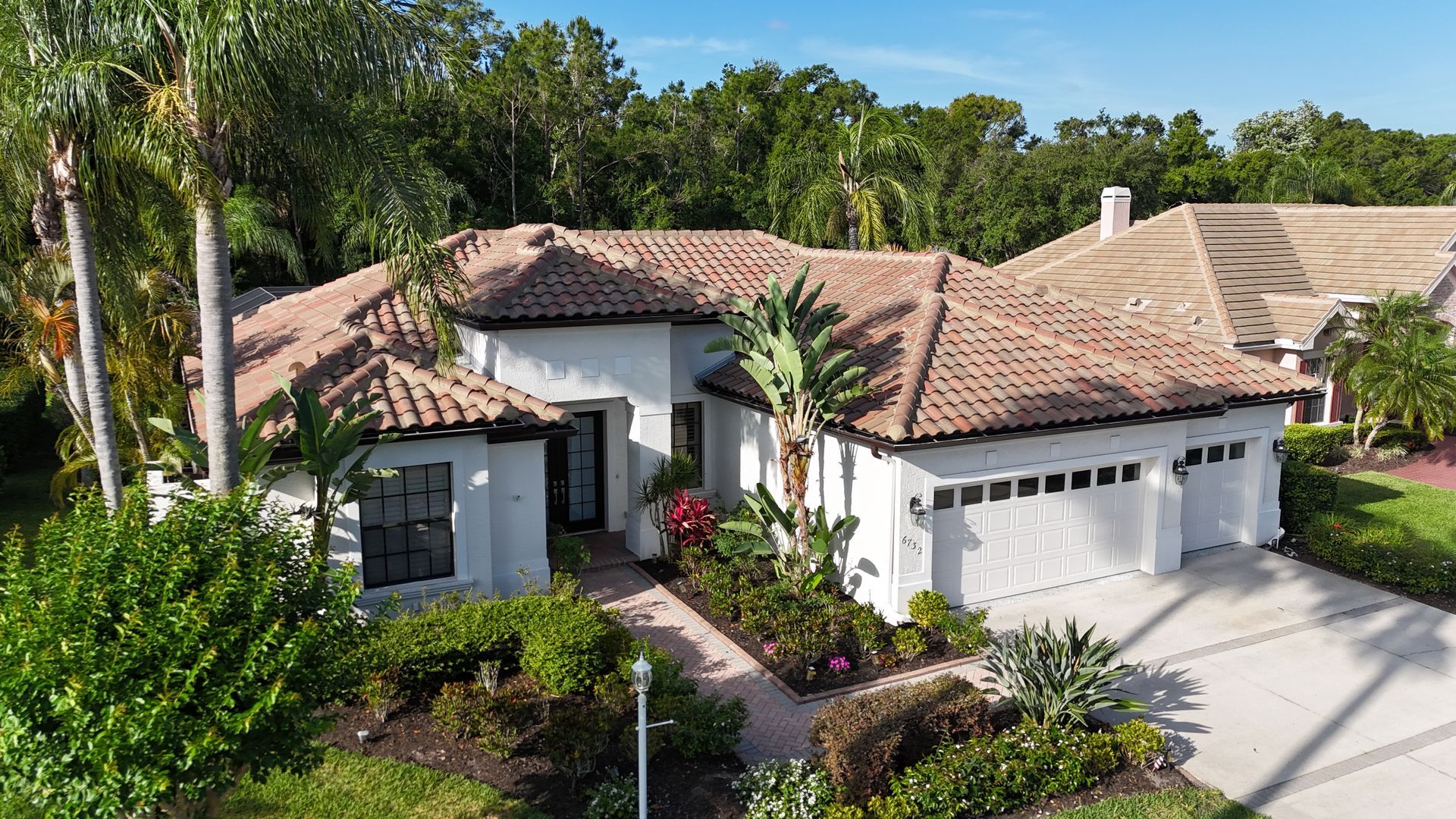
When you’re standing on your driveway in Venice, looking up at your home’s tile roof, you appreciate the choice you made. You selected a tile roofing system because you live in Florida, and you know that our coastal environment demands more than just a roof—it demands a roof that will perform, protect and last.
At Pelican Roofing, we focus exclusively on tile roofing systems. We do not offer shingle roofs. We believe that by concentrating on tile roofs, we bring a depth of craftsmanship, attention to detail and climate‑specific expertise that sets us apart. If you’ve spotted cracked tiles, leaks or moss buildup on your tile roof, this is the blog you should read.
We’ll walk you through how to recognise issues, when patching makes sense versus full replacement, how the repair process works in our local area, and the special conditions in Venice, Florida that make tile roof repair a unique task.
Why Tile Roofs Are the Smart Choice in Coastal Florida
Tile roofs are widespread throughout Venice and the broader coastal Florida region for very good reasons. The design of tile systems—whether curved barrel clay, flat interlocking concrete, or other profiles—offers strong durability, excellent wind resistance and superior performance in salt‑laden air and humid environments. Because tile material itself is non‑combustible, resists UV degradation better than many other types, and often outlives many alternative systems, it delivers long‑term value for homeowners investing in quality. Tile roofs also contribute to curb appeal, which matters in Venice’s distinctive architectural context.
But having a tile roof does not mean you can forget about it. While tile roofs are indeed strong, their performance depends heavily on the integrity of the components beneath them—underlayment, flashing, deck—and on proper installation and maintenance tailored to Florida’s climate. Under the influence of intense sun, salty breezes, occasional storms and high humidity, even a well‑installed tile roof can begin to show wear. Recognising that doesn’t mean the system has failed—it means that you can act proactively to extend its service life.
How Do I Know If My Tile Roof Needs Repair?
It can be tricky to decide whether you need a repair or whether you can safely wait. But for tile roofs in Venice there are clear warning signs you should watch for.
Cracked, Broken or Missing Tiles
If you climb on a ladder and notice one or more tiles are cracked, broken or missing altogether, you’re looking at more than a cosmetic issue. Each cracked tile is a pathway for water, salt air and sunlight to penetrate into layers that should otherwise remain protected. Because the tile itself is not the sole waterproofing barrier—the underlayment beneath is—the moment a tile fails, the hidden layers are exposed. When you see chips or fractures in tiles, or missing tiles near hips or ridges, that is a definite indication a repair is needed.
Slipped or Loose Tiles
Even when tiles aren’t visibly cracked, they may have shifted or lifted slightly—especially following windy storms or due to foot traffic from maintenance. When tiles are unaligned or loose, gaps can form, and water infiltration is more likely. In a tile system the tight alignment of pieces is part of how the system sheds water. A subtle shift may seem minor, but it should not be ignored.
Evidence of Water Intrusion Inside the Home
Sometimes the first sign of trouble appears not on the roof, but inside your attic or ceiling. Stains on the ceiling, small spots of mold, peeling paint near the eaves or damp insulation in the attic are all signals that moisture has found its way in. For tile roofs, these internal markers often point to a failure of the waterproofing function beneath the tiles—so by the time you see them, the issue may already have progressed.
Moss, Algae or Biological Growth
In Venice’s humid climate, moss or algae growth on the tile surface is common, especially in shaded areas. While tile roofs are less vulnerable than some other systems, the presence of moss or dark streaks means moisture is lingering longer than it should. That lingering moisture is the enemy of underlayment and flashing. If you see growth, a closer inspection is advisable.
Underlayment or Deck Issues
Even if the tile surface appears intact, the layers beneath may be compromised. Underlayment that has aged, flashing that has deteriorated, or roof deck that has softened from moisture—all of these are less visible but more serious. Because tile roofs rely on multiple layers working together, when the underlayment and deck are failing, the whole system’s integrity is at risk—even if the tiles look fine.
Roofline or Ventilation Concerns
If your roof looks sagging, or if ventilation seems inadequate (hot attic, high cooling bills), the roof could be under strain. Proper ventilation and deck support are vital in Florida’s heat. A tile roof that is not properly ventilated or supported may be more prone to hidden damage.
Is It Better to Patch or to Replace the Tile Roof?
Once the need for repair is identified, one of the most important decisions you’ll face is: should I patch the damaged area, or should I proceed to full replacement? At Pelican Roofing we guide homeowners through that decision with transparency and an eye on long‑term value.
When Patching Makes Sense
Patching is entirely valid—and often the smartest approach—when the damage is limited, the underlying system is still sound and you’re comfortable with maintaining the roof for its remaining lifespan. For instance, if only one or two tiles are cracked, or a small area has slipped, a targeted repair can restore the system effectively without the cost and disruption of full replacement. The advantage is that you preserve the existing investment, you maintain the current roof colour and tile profile, and in many cases you can extend the system’s life with minimal interruption.
When Full Replacement Becomes the Best Course
However, there are scenarios in which patching is simply not the prudent choice. If damage is widespread—many cracked or broken tiles, large areas of underlayment failure, flashing that has failed or multiple leaks—then investing repeatedly in patching may not deliver the long‑term protection you need. In Venice’s coastal environment, if your tile roof is advancing in age and showing multiple signs of wear, a full replacement may be the most responsible path. Choosing replacement means you start with a fresh system, updated materials, and a renewed warranty context—which in many cases reduces your risk and cost over time.
Weighing Cost Versus Value
As a homeowner in Venice, you should consider both upfront cost and long‑term value. Patching costs less today, and if done correctly, protects your home for years to come. Replacement costs more today, but resets your system’s life. Because tile roofing is an investment intended to last decades, the question becomes not only “what will it cost now?” but “what will it cost over the next 10‑20 years?” A quality patch may preserve decades of life, but a patch done in a weak area may lead to repeated repairs and higher cumulative cost. A credible tile roof specialist will help you see both sides of the equation and advise on whether patching or replacing makes the most sense.
Can Tile Roofs Be Repaired Without Full Replacement?
The good news for homeowners with tile roofs is that yes—tile systems are repairable, and full replacement is not always necessary. That is one of the major benefits of tile. With a system designed and installed properly, small to moderate damage can be addressed effectively and affordably.
Tile roof repair typically begins with identifying the damaged tiles, lifting tiles as needed, replacing or repairing the underlayment/ flashing beneath if required, then resetting the tiles or replacing them with matching ones. Because the tile covers the underlayment rather than being the primary waterproofing membrane, removing one or a few tiles to access underlying layers is feasible without the whole roof needing removal. That makes selective repair a practical option.
Of course, the success of repair without replacement depends on several factors: the availability of matching tiles in color and profile, the condition of the underlayment, the flashing condition, the structural integrity of the deck, and whether drainage and ventilation remain adequate. If all these are sound, a professional tile roof repair specialist can restore the system without a full roof tear‑off.
The Tile Roof Repair Process: What to Expect in Venice, Florida
Understanding the steps involved in tile roof repair helps you feel confident about the work, avoid surprises and hold your contractor to professional standards. Here’s how we at Pelican Roofing approach the repair process for tile roofs in Venice.
Initial Inspection & Assessment
The first thing we do is a detailed inspection of your roof system. We look at the visible tile field, identify cracked or missing tiles, evaluate tile alignment, examine flashing around hips, ridges, chimneys and penetrations, and inspect the underlayment condition and roof deck accessibility. We also check inside the attic for signs of water intrusion, inspect ventilation and document any structural issues. Because we specialise in tile, we know what to look for—loosened clips, mortar disintegration, subtle underlayment lift, and salt‑air related corrosion.
Document Findings & Provide a Clear Recommendation
After inspection we deliver a clear report to you. This report shows what we found, the areas of concern, our recommended actions (repair or replacement), the projected cost, and a timeline. We include photographs of damage, and we discuss the likely value of repair versus replacement given your roof’s age, condition and anticipated remaining life. We understand homeowners want to make informed decisions and we provide the clarity to do that.
Preparation & Tile Removal
If repair is the chosen path, we carefully remove the damaged tiles and adjacent tiles as needed to access the underlayment and flashing beneath. Because tiles are heavy and brittle and because foot traffic can crack intact tiles, we use appropriate systems to protect adjacent tiles, ensure safety and avoid collateral damage. We also protect landscaping and ensure the area around the house is clean and bedding is not disturbed.
Underlayment, Flashing & Deck Repair
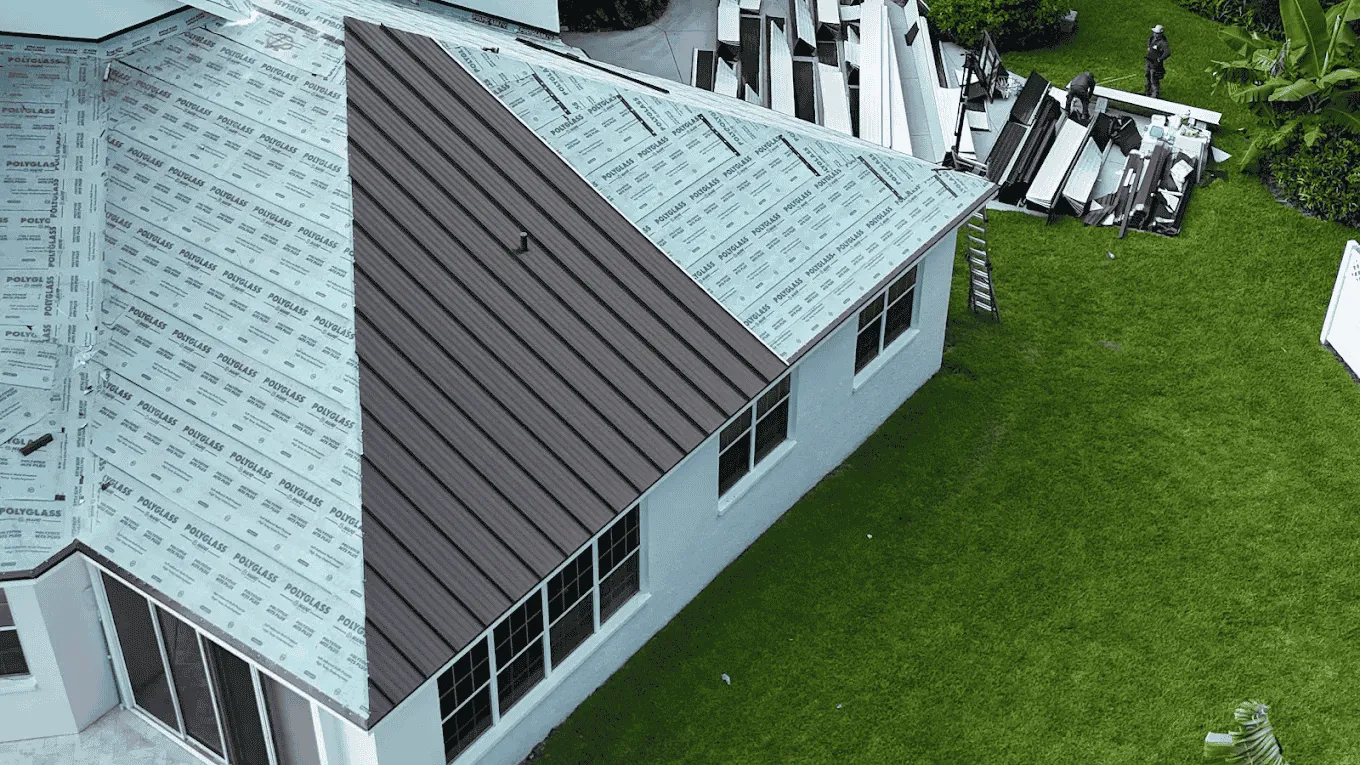
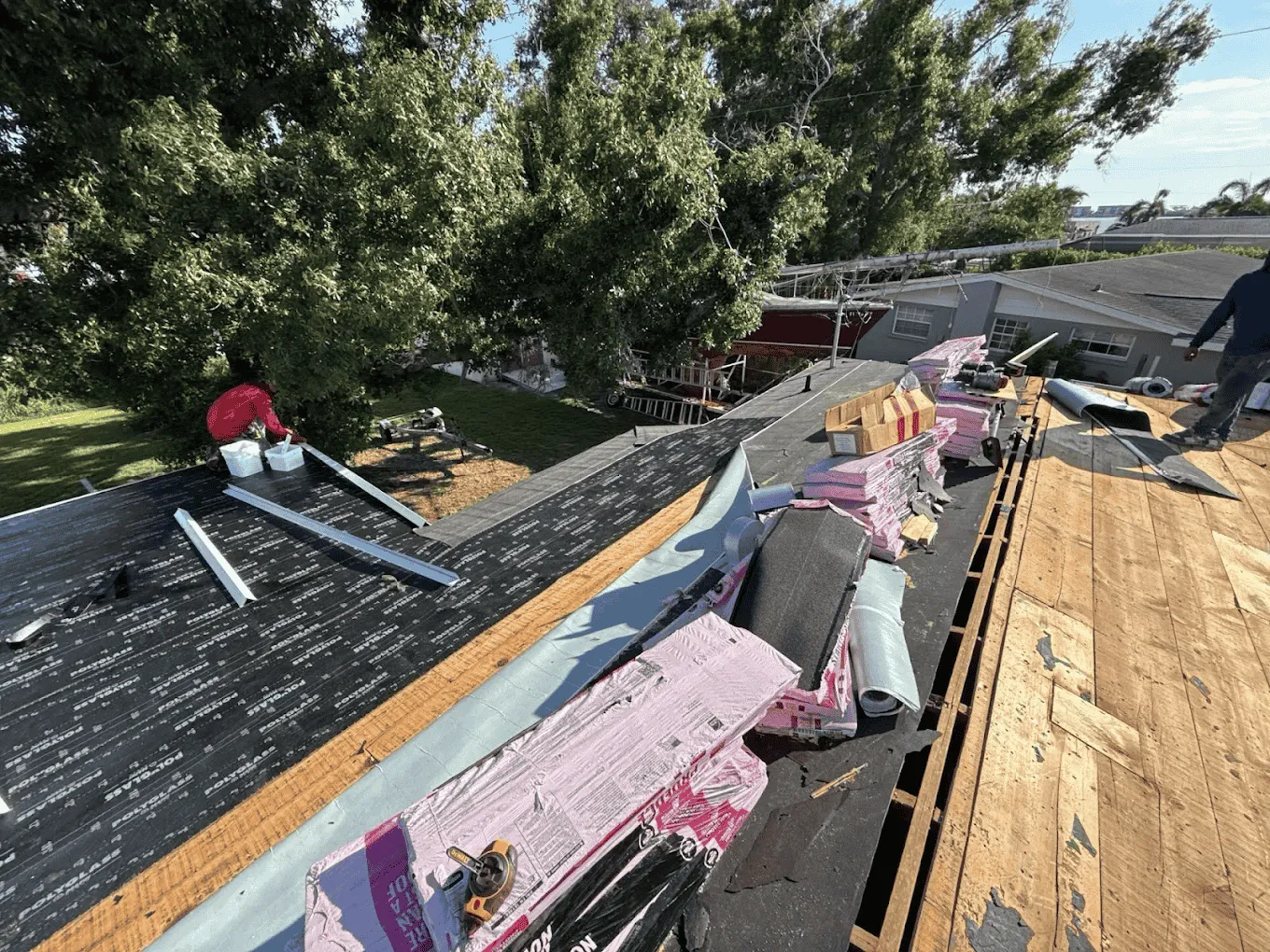
With tiles removed, we inspect the underlayment and deck. If the underlayment is compromised—lifted, torn, degraded—we replace it. If the deck shows rot or structural weakness, we address that too. The flashing is evaluated—if it is worn, corroded or improperly sealed we replace or reseal it. For tile roofs in Florida this step is critical, because the tile layer alone doesn’t stop water; the system beneath must perform reliably.
Tile Reset or Replacement
Once the substrate is sound, we reset the existing tiles where possible, and where tiles are broken or missing we install new tiles matched to the colour and profile of your roof. We ensure the pattern blends visually and that all tiles are properly secured and sealed. We ensure hips, ridges and edge tiles are aligned and fixed correctly.
Final Inspection & Clean‑Up
After repair work is complete we inspect the repaired zone, check the surrounding field for any disturbance, verify flashing and tiles are secure, remove any debris from gutters and valleys, and clean up all materials. We document the repair with “after” photographs and provide you with any warranty information or service notes.
Ongoing Maintenance & Monitoring
Finally, we discuss the maintenance plan with you. Because tile roofs in Venice face unique conditions, we recommend periodic inspections, especially after storms, and maintenance such as clearing moss/algae, ensuring gutters and valleys are free from debris, and monitoring for slipped tiles or flashing issues. Ongoing monitoring helps your tile roof deliver its full lifespan.
Special Considerations for Venice & Coastal Florida
Living in Venice means you and your tile roof face particular environmental factors that influence repair and performance.
Salt Air, Humidity & Intense Sun
The proximity to the Gulf and the Atlantic means salt‑laden air and high humidity are constant. This environment accelerates corrosion of fasteners, undermines flashing and degrades underlayment more than in inland locales. The intense Florida sunlight means thermal expansion and UV decay are real concerns. Your tile roof repair must address not just visible tile damage but the broader system vulnerable to salt, sun and moisture.
Wind, Storms & Debris
Coastal homes must contend with wind‑driven rain, hurricanes and flying debris. Even if your tile roof appears intact after a storm, hidden damage (slipped tiles, underlayment lift, flashing penetration) may have occurred. For repair work, it’s essential to inspect promptly after major weather events. Timing can be the difference between a minor repair and a major problem.
Older Homes and Matching Tile
In Venice many homes feature Mediterranean or Mission style architecture with older clay barrel tiles or “S‑profile” tiles. When tile damage occurs, sourcing matching tiles can be challenging. A reputable tile specialist will locate compatible tiles or provide the best possible match. It’s not simply about replacing a tile—it’s about restoring both function and appearance so that the roof remains uniform and protected.
Biological Growth & Drainage Issues
Shade from palms, overhanging trees and high humidity encourage algae, moss, lichen or dark streaks on tile surfaces. While the tile itself may resist damage, these growths trap moisture and prolong contact between water and underlayment/fasteners. Furthermore, inadequate drainage or clogged gutters/valleys in our environment increases the risk of ponding or water infiltration. Repair work must include checking drainage and mitigating organic growth.
Insurance, Documentation & Resale Value
Because of coastal risk, documented repairs and regular inspections are important for maintaining the value of your tile roof and for insurance purposes. A well‑maintained tile roof supports resale value and helps with insurance risk management. At Pelican Roofing we include photographic documentation and service records so you have a clear history of your roof.
Frequently Asked Questions (FAQ)
How do I know if a cracked tile absolutely needs repair right away?
A cracked tile that exposes the underlayment is a signal that repair should not be delayed. The longer water, sun or salt air has access past the tile, the more likely you are to see under‑deck or flashing damage. Early repair helps avoid more expensive issues down the line.
Is patching a tile roof reliable or just a temporary fix?
Patching can absolutely be reliable—if it’s done correctly, by a tile roofing specialist, and if the underlying system (underlayment, flashing, deck) remains sound. The goal is a long‑term solution, not a short‑term stop‑gap. Proper repair restores the performance of the system, not just the appearance.
Can tile roof systems always be repaired rather than replaced?
In many cases yes. Tile roofs are designed to be durable and maintainable. When the damage is localised, underlayment and deck are intact and the rest of the system remains healthy, repair is a fully valid option. Replacement is only the better choice when widespread failure exists or when the system has exceeded its useful life.
What does the repair process look like for a tile roof in Venice?
First comes a thorough inspection of all layers: tile condition, flashing, underlayment, deck, attic. Then we document findings and present the options. For repair we carefully remove damaged tiles, address substrate or flashing issues, reset or replace tiles, clean up and provide documentation and follow‑up maintenance advice. If replacement is required we handle the full roof system accordingly.
How often should a tile roof in Venice be inspected or maintained?
Because of our specific coastal climate and storm risk, a professional inspection every 1 to 3 years is wise, and always after major storms. Maintenance tasks—like clearing debris from valleys/gutters, controlling moss or algae, monitoring tile alignment—help protect your investment.
Does homeowners insurance cover tile roof repair?
Coverage depends on your policy and the nature of the damage. Sudden events such as storm damage may be covered, while wear and tear or deferred maintenance typically fall under homeowner responsibility. Keeping records of inspections and repairs strengthens your position in case of a claim.
What should I look for when choosing a contractor for tile roof repair in Venice?
Choose someone who specialises exclusively in tile roofing systems, has extensive experience in Florida’s coastal environment, provides documented findings and options, uses proper repair techniques and materials, and offers clear warranties. Because tile roofing is more nuanced than other roofing systems, your contractor should bring deep expertise and local knowledge.
Tile Roof Repair in Venice FL
Your tile roof is a significant investment, especially here in Venice where the environment demands robust protection. A properly installed tile roofing system delivers excellent durability, performance and aesthetic appeal—but only if it is maintained and repaired when needed. Recognising cracked or slipped tiles, moss or algae growth, signs of water intrusion, underlayment or flashing issues, and then acting promptly is key to preserving that investment.
At Pelican Roofing, we dedicate ourselves exclusively to tile roofing repair and maintenance. We don’t dilute our expertise with other types of roofing systems. That focus allows us to deliver the level of craftsmanship, precision and local climate insight that tile systems in Florida require. If you live in the Venice area, own a tile roof and suspect there may be issues, we’re ready to provide a professional inspection, explain your options with clarity, and execute the repair (or replacement, if necessary) with integrity.
Protect your home, preserve your investment and ensure that your tile roof continues to do the job it was designed for: shielding you, your family and your property from the elements—stylishly, reliably and long‑term.
When you’re ready, we’re here to help.