Roofing Companies in Venice FL: How Coastal Conditions Affect Your Choice
Living in Venice is a little different than living inland—even if you’re only a few miles from the Gulf. You feel it in the air. You see it on metal hardware that doesn’t stay shiny for long. You notice it when wind shifts and a summer shower suddenly hits your house sideways. That coastal environment is part of what makes Venice such a great place to live, but it also means your roof has a tougher job than it would in most parts of the country.
If you’re searching for roofing companies Venice FL, you’re probably trying to make a smart decision before you have a problem—or you’ve already seen a warning sign and you want the right contractor the first time. Either way, coastal conditions change what “good roofing” looks like. They affect the materials that perform best, the workmanship details that matter most, and the level of experience a roofer needs to protect your home long-term.
This guide walks through how Venice’s coastal climate impacts roofing systems, what experience Venice roofers should have, how codes and permitting can differ in coastal zones, how often you should schedule inspections, and what questions to ask so you can choose a roofing company with confidence—especially if you own a tile roof, which is one of the strongest, most proven options for Florida’s Gulf Coast when it’s installed and maintained correctly.
Why Venice’s Coastal Climate Changes the Roofing Conversation
Venice gets all the classic Florida roof stressors—heat, UV exposure, humidity, and intense rain—but adds a few coastal “bonus features” that accelerate wear. Salt in the air is the biggest one. Salt doesn’t have to land in a visible crust to do damage. It can ride on moisture, settle on surfaces, and speed up corrosion on metal components like fasteners, flashing, and edge details if the wrong materials were used or if protective finishes have degraded.
Then there’s wind. Coastal winds aren’t just about major storms. Even normal seasonal breezes can drive rain at angles that reveal weak transitions and poorly sealed intersections. The roof doesn’t only need to shed water downward—it needs to resist water being pushed sideways and upward under pressure.
Finally, coastal homes often face higher exposure overall. More open terrain, fewer wind breaks, and direct weather patterns off the Gulf all increase the load on your roof system. That’s why in Venice, choosing the right roofing company matters more than ever. You’re not just buying labor. You’re buying decisions: what materials are used, how details are executed, and whether the roof is built for coastal reality.
Do Coastal Homes Need Special Roofing Materials?
Coastal homes don’t necessarily need “exotic” materials, but they do need the right materials and components for the environment. The biggest difference is often in the items homeowners don’t notice from the driveway: fasteners, flashing metals, sealants, and underlayment choices.
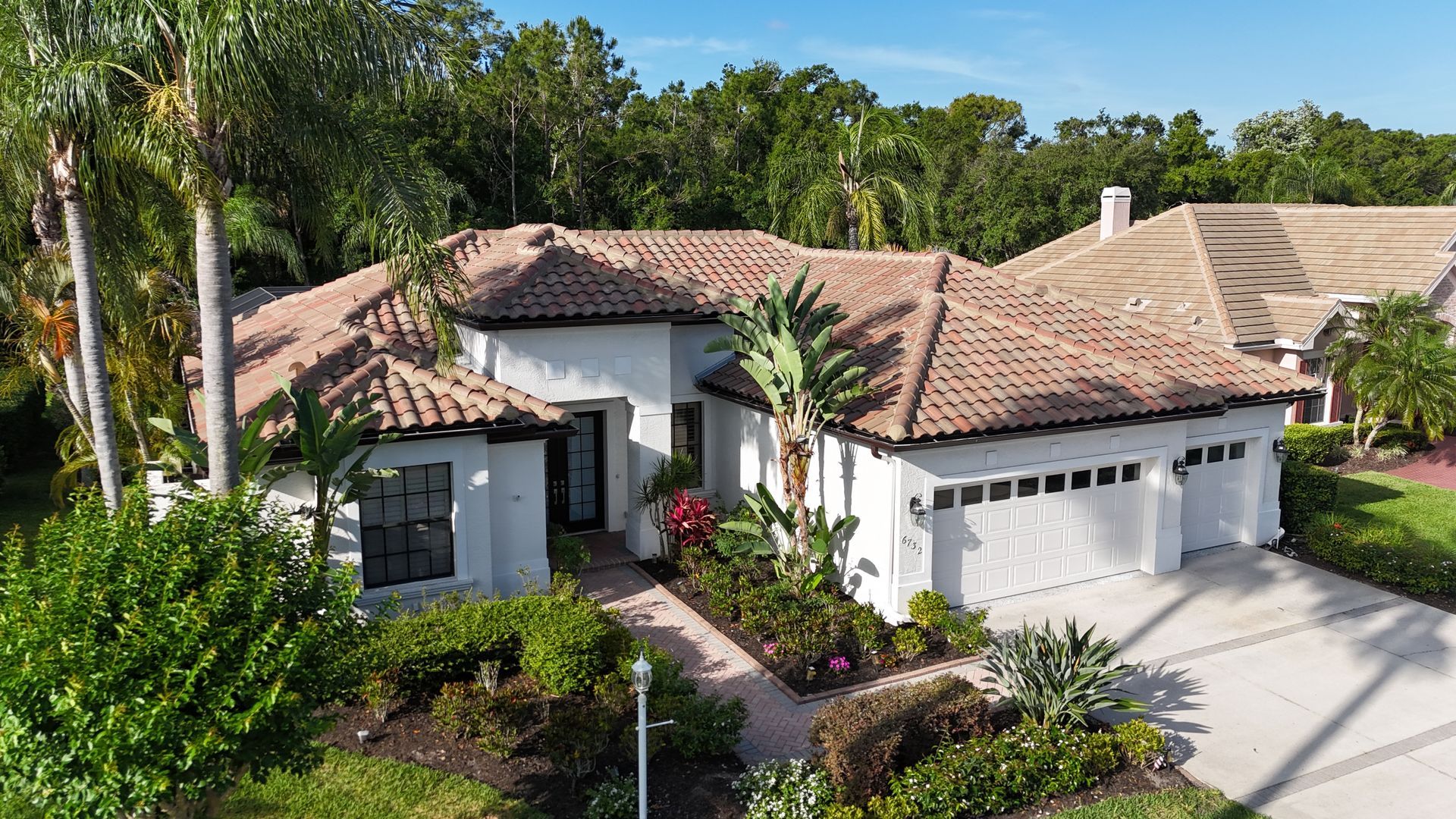
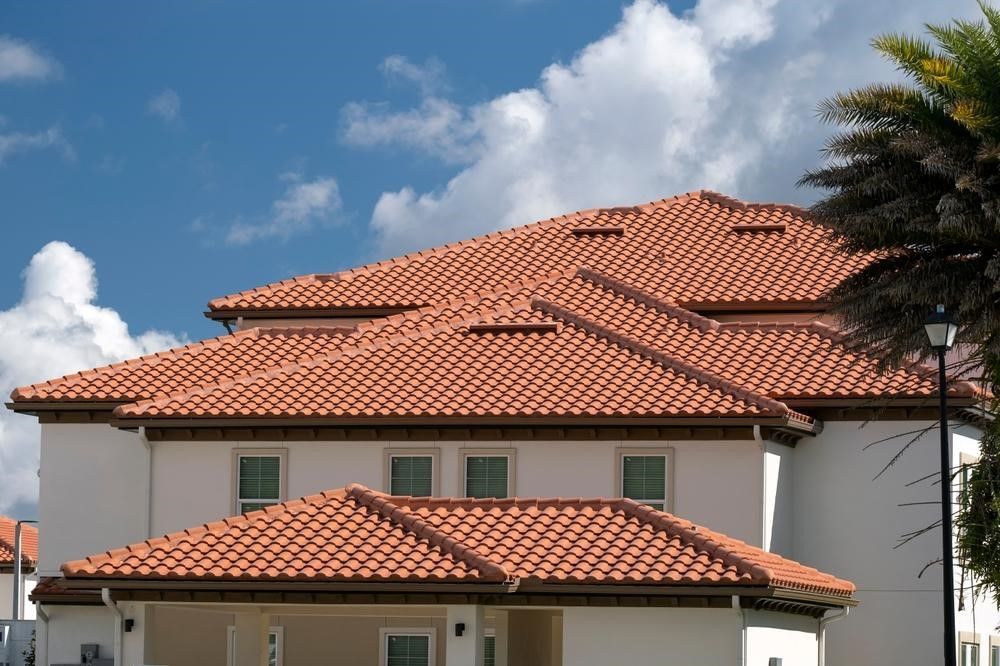
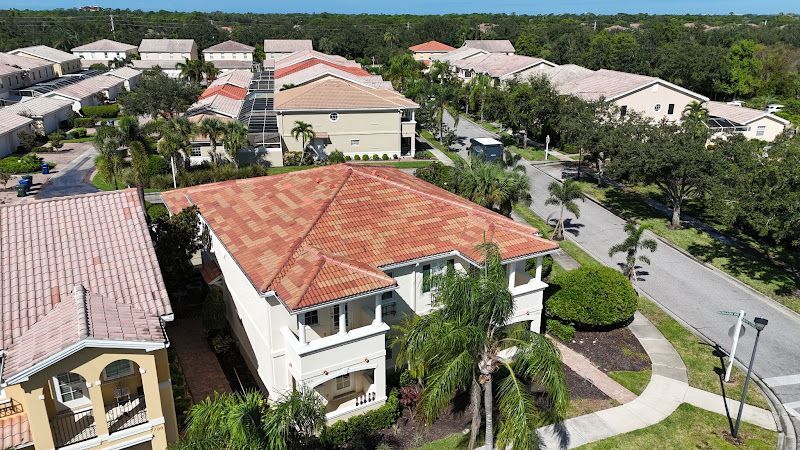
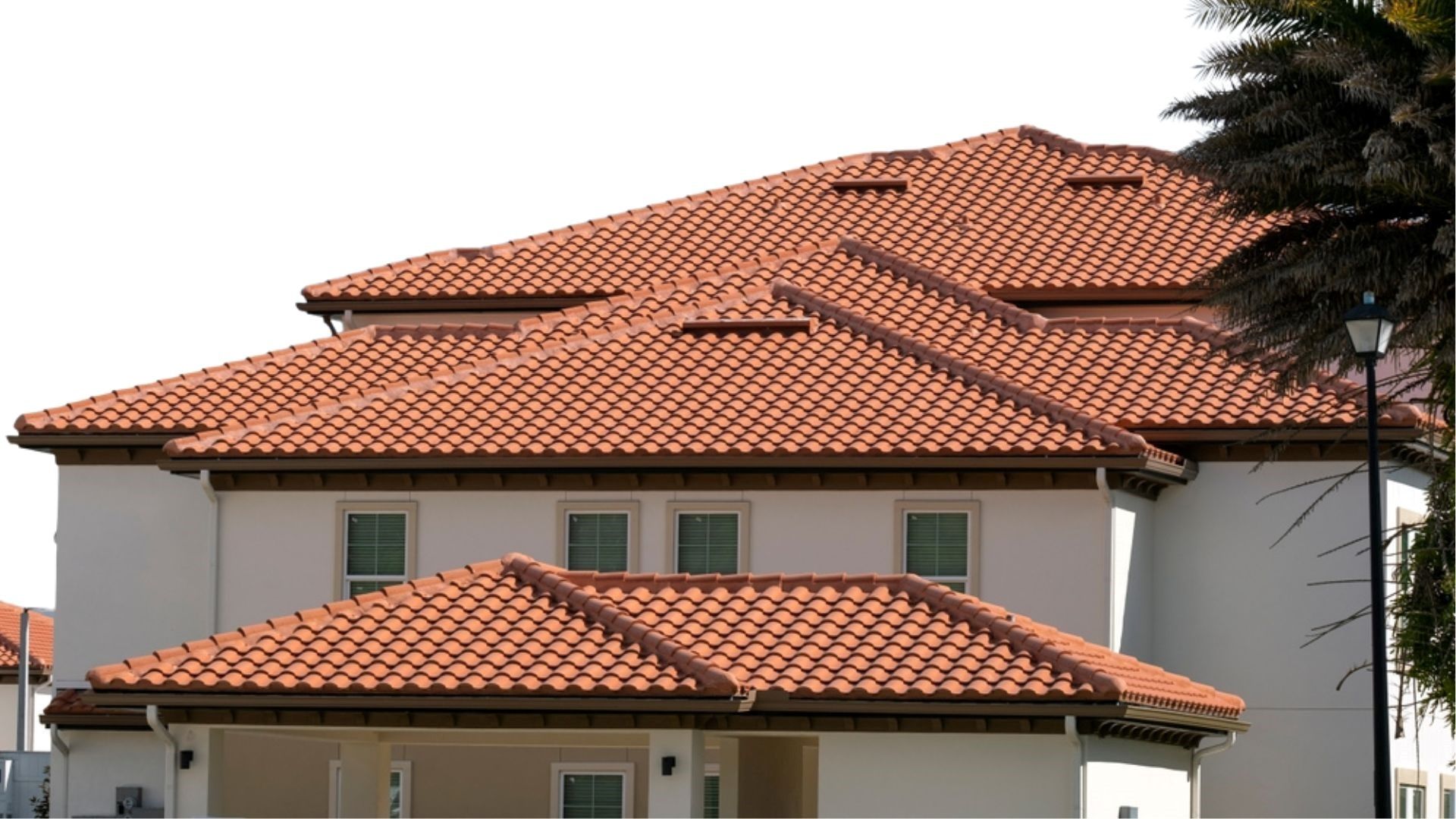
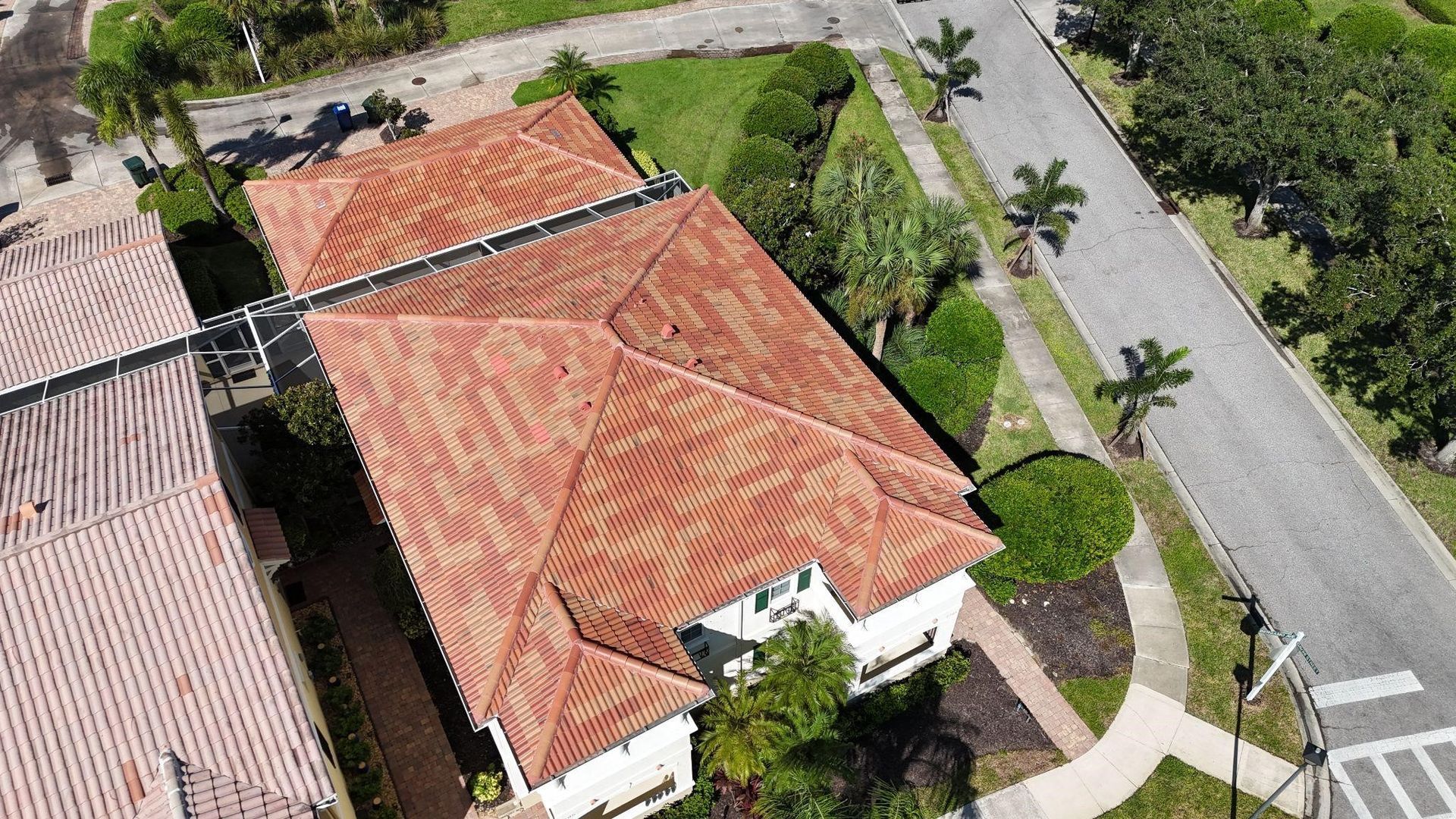
Tile roofing stands out in coastal Florida because the tile itself is highly durable, naturally resistant to sun exposure, and built to handle harsh weather. Tile doesn’t rot, it doesn’t warp, and it holds up well against heat and UV—two major drivers of roof aging in Florida. That’s one reason so many Venice homeowners choose tile when they want longevity and a roof that looks sharp for decades.
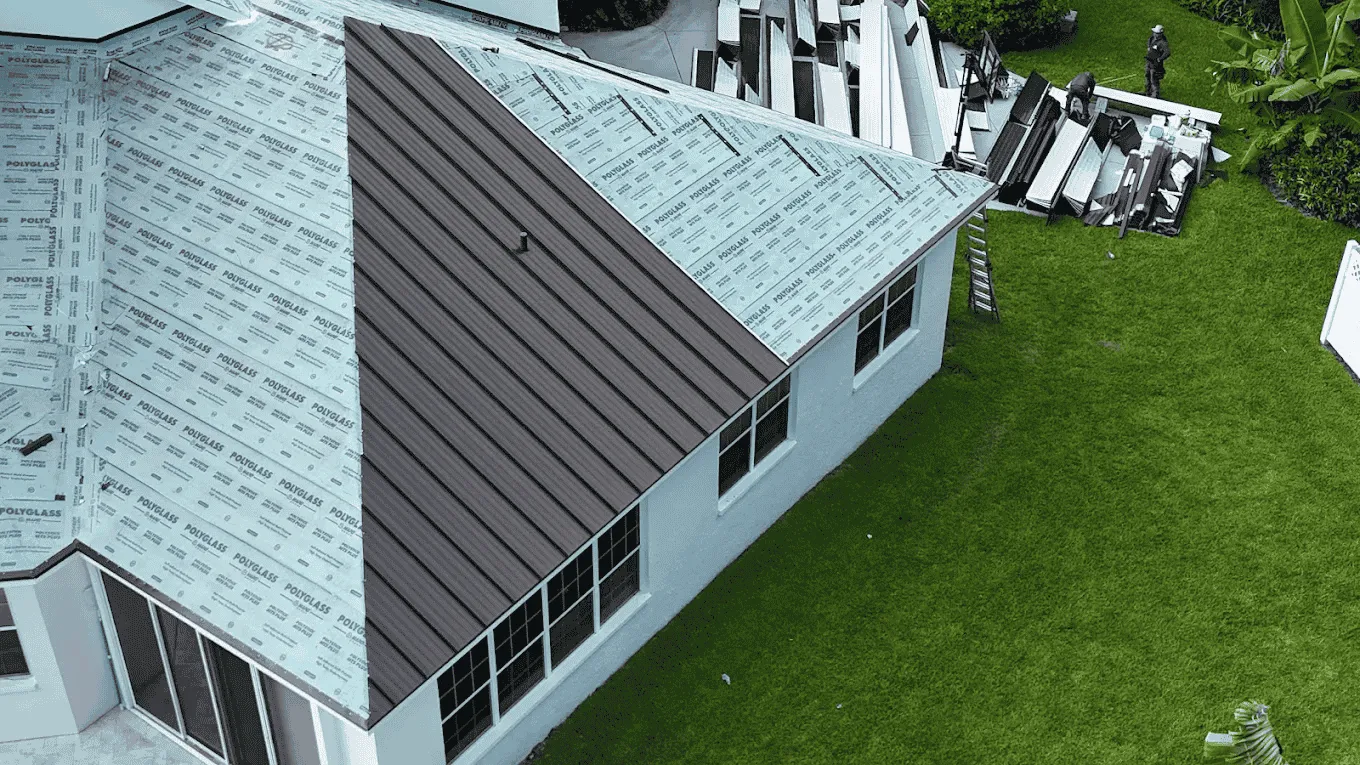
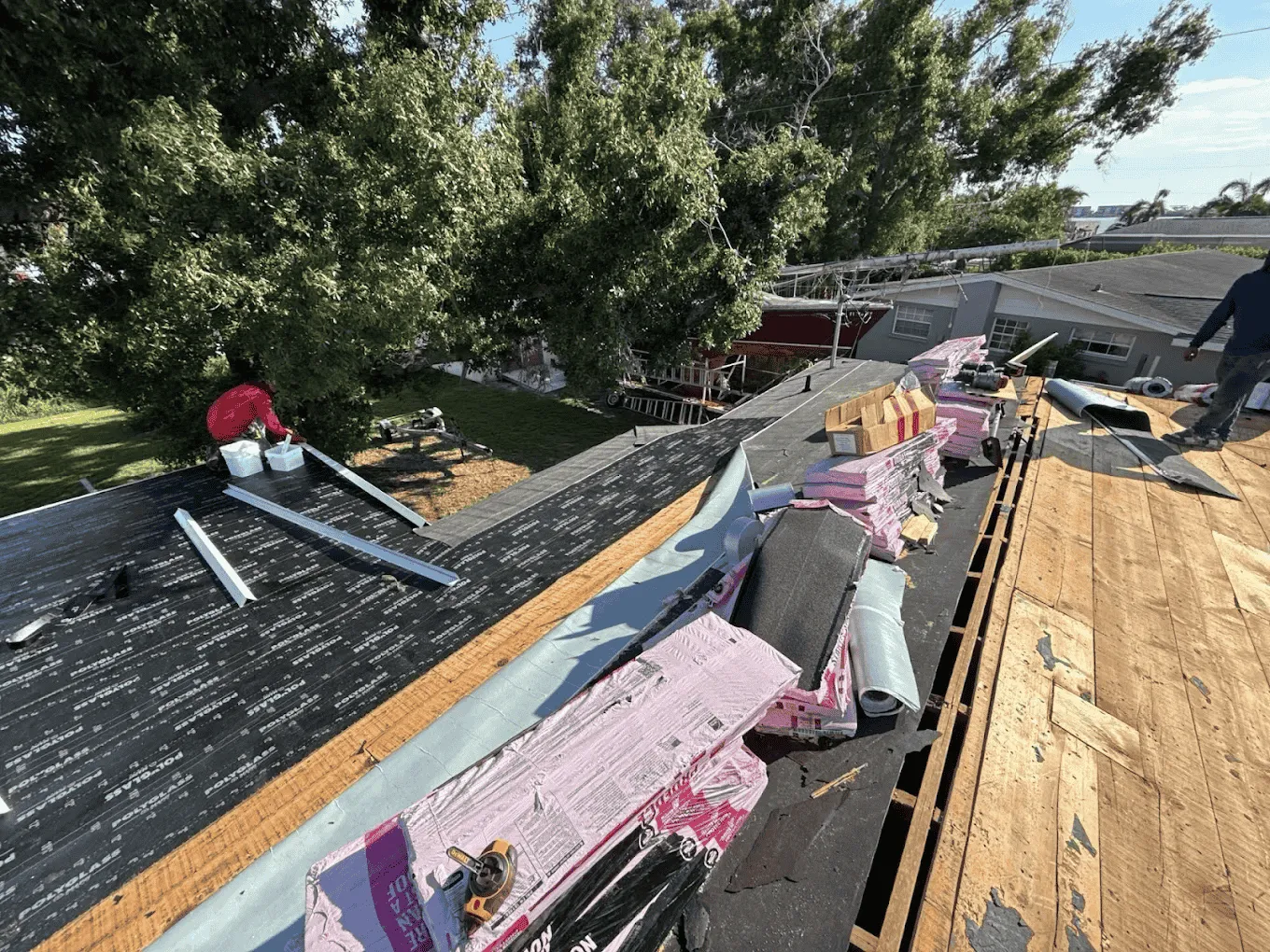
But material selection goes beyond the tile surface. A tile roof’s performance depends heavily on the system underneath and around it. Underlayment is typically the primary waterproofing layer, and it needs to be appropriate for Florida conditions. Flashing and fasteners need to be corrosion-resistant and properly integrated with the roof design. Sealants and closures must be chosen for long-term exposure, not short-term convenience.
In coastal areas, “almost right” often behaves like “wrong.” That’s why working with a company that understands coastal roofing—especially tile roofing—can make the difference between a roof that quietly performs and a roof that becomes a recurring repair project.
Workmanship Matters More Near the Gulf
If you’ve ever heard someone say, “Any roofer can do a roof,” Venice is where that idea falls apart. Coastal performance is detail-driven. Two roofs can use the same tile and look identical from the street, yet behave very differently during storms because of how the details were executed.
Transitions are everything. Roof-to-wall intersections, valleys, ridges, hips, and penetrations like vents and skylights are the first places coastal wind-driven rain will challenge. Proper flashing design and installation is what keeps water from finding a path in. On tile roofs, that flashing has to work with tile profiles and water flow patterns, and it has to be integrated correctly with the underlayment.
Attachment methods matter too. Tile systems rely on specific fastening and securement strategies depending on roof design, tile type, and wind exposure. A company experienced in coastal tile roofing understands how the roof is supposed to resist uplift, how ridges and edges should be stabilized, and how to avoid shortcuts that only show their consequences after the next big weather event.
A quality roofing company should be able to explain these things in plain English. You don’t need a lecture—you need reassurance that the people on your roof understand what Venice weather will demand from their work.
What Experience Should Venice Roofers Have?
When you’re evaluating roofing companies in Venice Florida, experience shouldn’t be measured only by years in business. It should be measured by relevant experience: coastal conditions, local permitting expectations, and tile roofing expertise if your home has a tile system.
A strong Venice roofer should understand how salt air affects fasteners and flashing choices, how wind-driven rain exposes weak transitions, and how to diagnose leaks properly when water travels before it shows up inside. They should be comfortable working on tile roofs without causing damage, and they should know the difference between a surface issue and a system issue.
You also want a company that’s prepared to document what they find and communicate clearly. Coastal roofing issues often aren’t obvious from the ground. A contractor who can explain the “why” behind a recommendation—without fear tactics—helps you make smarter decisions and avoid unnecessary work.
Are Coastal Codes Different?
Coastal zones often involve stricter considerations for wind resistance and building performance, and roofing work can intersect with these requirements depending on what’s being done. Even within Florida, local jurisdictions and inspection expectations can vary, especially in areas with higher wind exposure or proximity to coastal influences.
For homeowners, this matters because code compliance isn’t just a box to check. It impacts how the roof is detailed, what fastening and attachment methods are used, and how the work is reviewed. A professional roofing company should be familiar with local permitting processes and should be willing to handle permits when required, rather than trying to “work around” the system.
If you’re comparing roofing companies Venice FL homeowners recommend, pay attention to how they talk about permits and code. Responsible contractors treat compliance as part of protecting your investment, not a hassle to avoid.
How Often Should Coastal Roofs Be Inspected?
Coastal roofs should be inspected more frequently than roofs in less aggressive environments, simply because the conditions accelerate wear on critical components. Think of inspections like routine checkups. You’re not scheduling them because you expect bad news—you’re scheduling them because small issues are easier and less expensive to address before they become water intrusion.
A practical approach for Venice homeowners is to schedule regular inspections and also schedule an inspection after any significant wind event. Even if your roof looks fine, storms can shift tiles, loosen ridge components, disturb flashing edges, or create subtle openings that won’t show themselves until the next heavy rain.
Tile roofs, in particular, benefit from careful inspections performed by contractors who know how to move on tile safely and how to identify early signs of system vulnerability. Improper foot traffic can crack tile, so this is one area where “DIY checking” can accidentally create the very problem you’re trying to prevent.
Why Choosing the Right Roofing Company Matters So Much in Venice
It’s tempting to shop roofing services like any other home project. Get a couple of quotes, compare the totals, pick the middle number, move on. In Venice, that approach can backfire—because the biggest differences between roofing companies don’t always show up in the estimate line items. They show up in the choices the crew makes on the roof.
Coastal conditions punish shortcuts. A fast fix around a flashing point might survive a few mild rains and then fail during the first real Gulf storm. Cheap hardware may look fine at installation and then corrode faster than expected. A contractor who doesn’t specialize in tile might damage tiles during access, creating future leak points that didn’t exist before.
Choosing the right company is about reducing risk. It’s about selecting a team that understands tile roofing systems, coastal weather behavior, and the details that keep water out when the rain comes in sideways. It’s also about communication: you should feel informed, not pressured, and you should understand exactly what’s being recommended and why.
What Questions Should I Ask a Roofer in Venice?
The best questions are the ones that reveal whether a company truly understands coastal roofing performance and tile systems. You want to know how they approach inspections and diagnostics, how they handle the most vulnerable details, and how they ensure the roof is built for Venice conditions.
Ask how they address flashing and roof penetrations, and listen for confidence and specificity rather than vague reassurance. Ask how they evaluate tile roofs without causing damage, and whether they have a process for identifying underlayment issues versus surface tile issues. Ask how they handle permitting when it’s required and what you can expect in terms of documentation. Ask what they recommend for ongoing maintenance and inspection frequency in a coastal environment. And pay attention to how they explain things: the right contractor can translate roofing into homeowner language without talking down to you.
The Tile Roof Advantage on Florida’s Gulf Coast
Tile roofing is popular in Venice for good reason. It stands up well to sun and heat, it offers long-term durability, and it fits the architectural style of many Gulf Coast homes beautifully. But the real advantage of tile is realized when the system is handled correctly—from underlayment and flashing choices to proper detailing at edges, ridges, and transitions.
A tile roof can be a long-term asset, but it’s not a set-it-and-forget-it system. It benefits from professional inspections, timely repairs when small issues appear, and craftsmanship that respects the system’s design. In coastal environments, that attention to detail is what separates a roof that lasts from a roof that becomes a recurring headache.
FAQ: Roofing Companies in Venice FL and Coastal Roofing Choices
Do coastal homes need special roofing materials?
Coastal homes benefit from materials and components chosen specifically for salt air, wind exposure, and intense weather cycles. The visible roofing material matters, but so do the hidden components like underlayment, flashing metals, fasteners, and sealants. A roofing company with coastal experience will select system components that hold up better in Venice conditions.
What experience should Venice roofers have?
Venice roofers should have real experience with coastal performance demands, including wind-driven rain and corrosion risk. If your home has a tile roof, you also want a contractor with tile-specific expertise who understands how to inspect, repair, and maintain tile systems without causing damage.
Are coastal codes different?
Coastal areas often involve stricter wind and performance considerations, and permitting and inspection expectations can vary by jurisdiction. A professional roofing company should understand local requirements, handle permitting when needed, and complete work in a way that supports code compliance and long-term protection.
How often should coastal roofs be inspected?
Coastal roofs should be inspected regularly and also after significant wind events. Venice conditions can accelerate wear on flashing, fasteners, and transition points, so proactive inspections help catch small issues early, before they turn into interior water intrusion.
What questions should I ask a roofer?
Ask about their coastal experience, tile roofing expertise, how they handle flashing and penetrations, whether they provide clear documentation, how they approach inspections and leak diagnostics, and how they handle permitting when required. The way they answer—clear, specific, and practical—often tells you as much as the answer itself.
Why Pelican Roofing Is a Smart Fit for Venice Tile Roofs
If your home has a tile roof, you want a roofing company that treats tile as a specialty, not an occasional add-on. Pelican Roofing focuses exclusively on tile roofing, which means our approach is built around what matters most in Venice: coastal-ready craftsmanship, careful inspections that respect the roof system, and repairs and recommendations designed for Florida’s Gulf Coast reality.
When you’re choosing among roofing companies Venice FL homeowners consider, the right choice is the one that protects your home not just on a sunny day, but when the next Gulf storm tests every detail.