When It’s Time to Replace a Roof in Turtle Rock and What to Expect
For many homeowners in Turtle Rock, the roof is easy to take for granted until clear signs of wear begin to appear. From the street, a roof may still look acceptable, yet aging materials, hidden moisture intrusion, storm damage, and long-term exposure to Florida heat can all be weakening the system beneath the surface. When that happens, the question becomes more urgent than cosmetic. It becomes a matter of protection, planning, and making the right decision before minor concerns turn into major problems.
In a community like Turtle Rock, where homeowners care about long-term value, appearance & maintaining the quality of their property, roof replacement is not a small project. It is a meaningful investment in the structure of the home. It affects weather protection, energy performance, resale appeal & overall peace of mind. That is why homeowners considering roof replacement in Sarasota often start by asking the same core questions. How do I know when repair is no longer enough? What happens during replacement. How disruptive will the process be? How long will it take? What should I expect from my roofing company handling the job?
The good news is that roof replacement becomes much easier to manage when homeowners understand the warning signs and the process ahead of time. In Turtle Rock, many homes have roofs that face years of heavy sun exposure, seasonal storms, high humidity, and wind-driven rain. Even a well-maintained roof will not last forever in these conditions. Knowing when replacement is the smarter path can help homeowners avoid repeated repair costs, prevent interior damage, and move forward with a smoother upgrade.
Why Roof Replacement Becomes Necessary in Turtle Rock
Florida’s climate puts steady pressure on residential roofing systems. Heat breaks down materials over time. UV exposure can accelerate aging. Humidity affects roofing components in ways homeowners may not always notice right away. Storms can damage shingles, flashing, tiles, or underlayment, even when the roof still appears mostly intact from the ground. Over the years, this wear adds up.
In Turtle Rock, that matters because many homeowners are balancing aesthetics with function. A roof that is visibly worn can affect curb appeal, but the deeper concern is performance. Once a roof reaches the point where it can no longer consistently protect the home from water intrusion and weather exposure, replacement becomes less of an option and more of a necessary next step. Waiting too long often means dealing not only with the roof itself, but also with interior repairs caused by leaks, moisture damage, or attic issues.
Roof replacement is not always driven by one dramatic event. Sometimes it follows a pattern of increasing repairs, recurring leaks, visible aging, or growing concern after storms. In other cases, it becomes clear during a professional inspection that the roof is nearing the end of its useful life. Either way, recognizing the shift from repair-focused maintenance to full replacement planning is one of the most important decisions a homeowner can make.
Signs Your Roof May Need Replacement
One of the clearest indicators that replacement may be approaching is the age of the roof. Different roofing materials have different expected lifespans, but all roofs eventually reach a point where ongoing repairs become less practical. An older roof that has already endured years of Florida weather is naturally more vulnerable to failure, even if it has been maintained reasonably well.
Leaks are another major warning sign, especially when they are recurring or appear in more than one area. A single isolated leak may sometimes be repairable, but repeated water intrusion often suggests broader system deterioration. Stains on ceilings, musty smells in attic spaces, peeling paint near roof lines, or moisture around vents and penetrations can all point to a roof that is no longer performing reliably.
Visible exterior wear also matters. Missing shingles, curling edges, cracked tiles, bald spots, deteriorated flashing, sagging sections, or obvious storm damage should all be taken seriously. In some cases, the roof may simply look tired and uneven. In others, damage may be subtle but widespread. Homeowners in Turtle Rock who have begun to notice that repairs are becoming more frequent should see that as a strong signal that replacement may be the more cost-effective path.
Can Roof Repairs Delay Replacement
Repairs can absolutely delay replacement in the right situation, but only when the underlying roof system is still in sound enough condition to justify them. This is one of the most important distinctions homeowners need to understand. A quality repair is valuable when the issue is isolated and the rest of the roof still has meaningful service life left. In that case, repair can buy time and preserve the roof’s performance.
The problem comes when homeowners continue repairing a roof that is already in broad decline. At that point, repairs may fix symptoms without solving the larger issue. One leak is addressed, then another appears a few months later. A damaged section is repaired, but aging materials nearby continue to fail. This can create a cycle where money is spent repeatedly without restoring full confidence in the roof.
For many Turtle Rock homeowners, the real question is not whether repairs are possible, but whether they still make financial and practical sense. A professional assessment should help clarify that. If repairs can genuinely extend the life of the roof in a meaningful way, that may be a smart interim solution. If they are only postponing an inevitable replacement while increasing cumulative cost, then it may be time to move forward with the larger project.
What Happens During a Roof Replacement
For homeowners who have never gone through the process before, roof replacement can feel like a major unknown. In reality, it is a structured project with distinct phases, and understanding them in advance helps reduce stress.
The process usually begins with a detailed inspection and evaluation. This allows the roofing contractor to assess the current condition of the system, identify material issues, review flashing and ventilation, and determine whether any decking or structural concerns may need attention. This stage is critical because it shapes the scope of the work and helps the homeowner understand why replacement is being recommended.
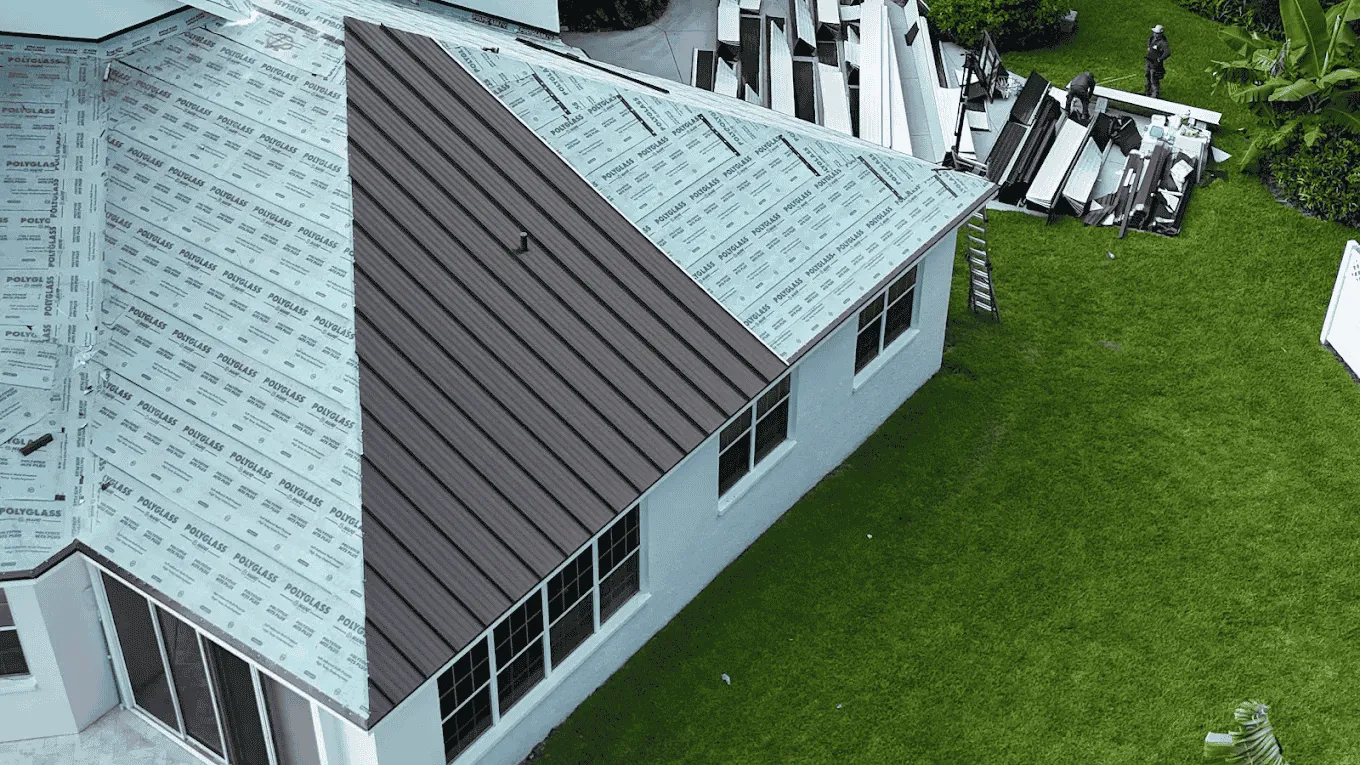
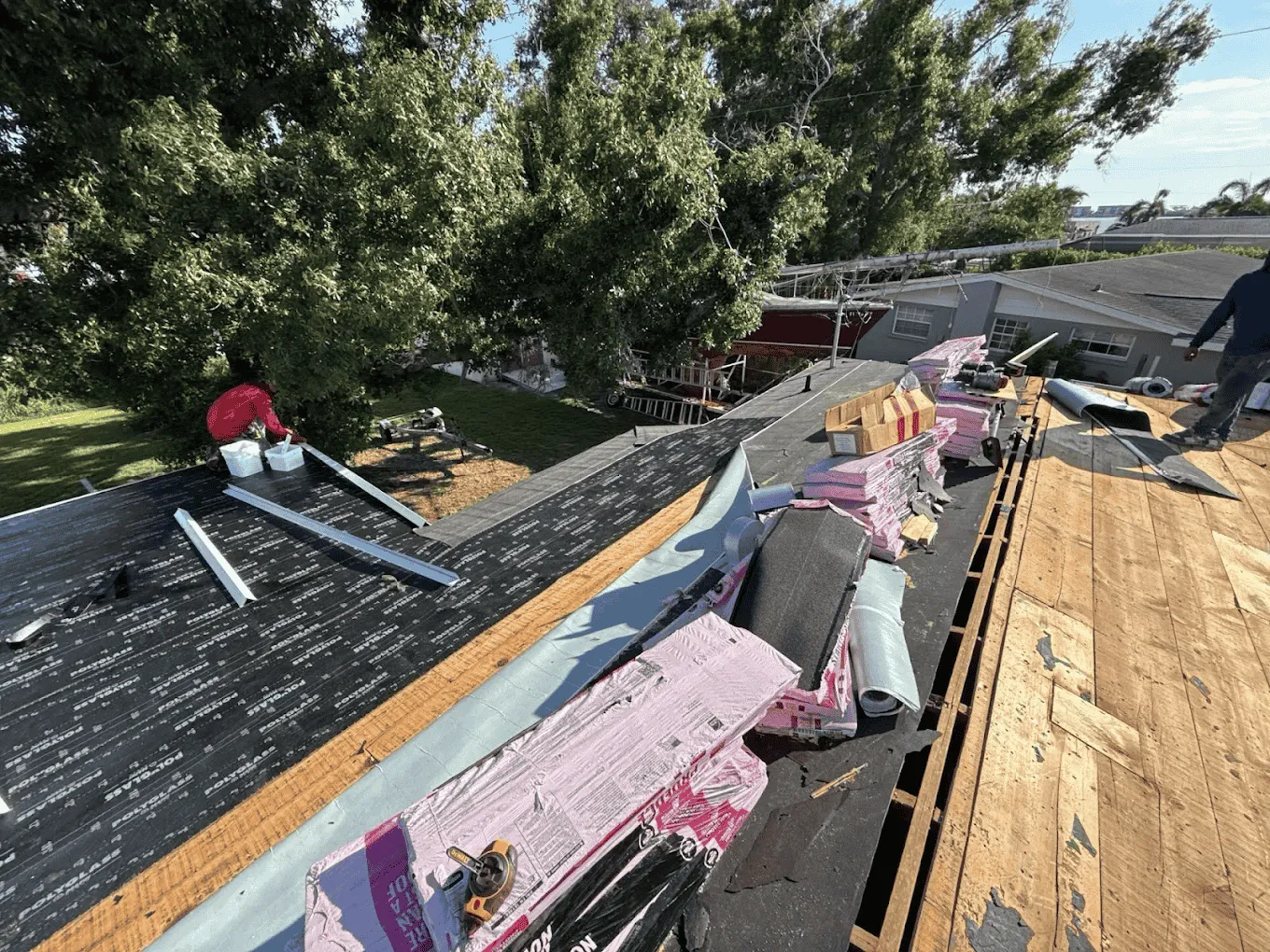
Once the project is scheduled, the old roofing materials are removed. This is often the most visible and active part of the job. The roof deck is then inspected closely. If any damaged or deteriorated sections are found, they can be addressed before the new roofing system is installed. From there, underlayment, flashing, and the chosen roofing materials are installed according to the system requirements and the design of the home.
Throughout the project, cleanup and site protection should be part of the process as well. Roofing work is disruptive by nature, but it should still be managed professionally. Homeowners should expect communication, clear expectations, and a final review once the installation is complete. For residential roofing in Sarasota, the goal is not just to put on a new roof, but to deliver a system that performs well in Florida conditions.
Why Inspection Reports Matter
Inspection reports can play an important role in helping homeowners feel informed and confident about replacement. When a roof is aging or damaged, homeowners should not have to rely only on a verbal opinion. A proper inspection should document the condition of the roof, identify visible problem areas, and explain the reasoning behind the recommendation for repair or replacement.
This matters because roof replacement is a major investment. Homeowners in Turtle Rock should feel they understand the condition of the existing roof and the goals of the proposed work. A report can also provide clarity when comparing repair versus replacement options. If the same issues are appearing across multiple sections of the roof, or if material failure is widespread, that information helps explain why another round of repairs may not be the best path.
Inspection findings also help set realistic expectations for the project itself. If the roof deck may need repair or if certain flashing details are likely to require attention, that is useful to know before the work begins. A transparent process creates fewer surprises and gives homeowners a stronger sense of control.
How Long Roof Replacement Usually Takes
One of the most common questions homeowners ask is how long roof replacement will take. The answer depends on several variables, including the size of the home, the complexity of the roof design, the material being installed, weather conditions, and whether any underlying damage is discovered once the old roof is removed.
A straightforward replacement on a standard home may move relatively efficiently, while a larger or more complex roof may take longer. Tile, shingle, and metal systems can also differ in timeline because of the installation methods involved. Weather is always a factor in Florida, especially during rainy periods or times of heightened storm activity.
Homeowners should remember that the total replacement process involves more than the visible installation days. Planning, inspection, material coordination, permitting where required, scheduling, and final review all contribute to the overall timeline. What matters most is that the project is handled thoroughly and correctly. A rushed roof replacement is not a good outcome. A smooth project is one where the schedule is clear, communication is consistent, and the finished roof is built for long-term performance.
Planning for a Smooth Upgrade
The smoothest roof replacement projects are usually the ones homeowners prepare for early. That starts with acting before the roof reaches a crisis point. If leaks are already widespread or storm season is approaching, delays can create more urgency than homeowners would prefer. Scheduling an inspection when warning signs first appear gives more flexibility in planning the upgrade.
Homeowners should also think about the replacement as an opportunity, not just a necessary expense. A new roof can improve the appearance of the home, restore confidence during heavy weather, and reduce the uncertainty that comes with an aging system. It can also provide a chance to evaluate material choices, ventilation performance, and long-term maintenance goals.
For Turtle Rock homeowners, a smooth upgrade usually depends on clear communication and realistic expectations. Understanding the roof’s current condition, the recommended scope of work, the anticipated schedule, and the project flow makes the experience far easier to manage. When that foundation is in place, replacement becomes less intimidating and more like what it really is: a smart step in protecting the home.
Frequently Asked Questions
How do I know my roof needs replacement?
Common signs include recurring leaks, visible aging, storm damage, missing or deteriorated materials, sagging areas, and a roof that is nearing the end of its expected lifespan. If repairs are becoming more frequent, replacement may be the more practical long-term solution.
Can repairs delay replacement?
Yes, repairs can delay replacement when the damage is isolated and the rest of the roof is still in good enough condition. However, if the roof is showing widespread wear or repeated problems, repairs may only postpone the need for full replacement without solving the larger issue.
What happens during replacement?
The process typically includes inspection, removal of the old roofing materials, evaluation of the roof deck, installation of new underlayment and flashing, and installation of the new roofing system. The project should also include cleanup, communication, and a final review of the completed work.
Will I receive inspection reports?
A professional roofing process should include clear inspection findings so homeowners understand the condition of the roof and the reasoning behind the recommendation. Reports or documented observations help create transparency and support better decision-making.
How long does the process take?
The timeline depends on roof size, material type, complexity, weather, and whether underlying damage is found during removal. Some projects move quickly, while others take longer because of design or structural considerations. The most important factor is that the job is done correctly and not rushed.
Moving Forward with Roof Replacement in Turtle Rock
When a roof in Turtle Rock begins to show clear signs of age or failure, waiting rarely improves the situation. In most cases, delay only increases the chance of interior damage, repeated repairs, and added stress during Florida’s storm season. The better approach is to recognize the signs early, understand what the replacement process involves, and move forward with a clear plan.
A well-managed roof replacement gives homeowners more than a new surface overhead. It restores confidence in the home’s protection, improves the property’s overall appearance, and reduces the uncertainty that comes with an aging roofing system. For homeowners considering roof replacement in Sarasota, the
key is to act before small problems become major ones and to approach the project as a long-term investment in the home’s value and performance.