Metal Roofing in Sarasota: Performance, Durability, and Maintenance
If you live in Sarasota long enough, you start to think about your roof the way you think about hurricane shutters or a good HVAC system. It’s not a “nice to have.” It’s a must. Between salt-tinged coastal air, intense sun, sudden downpours, and long storm seasons, your roof has to handle a lot without complaining.
That’s why more homeowners have been searching terms like “metal roofing Sarasota” and “metal roofing Sarasota FL” when they’re weighing a new roof. Metal has a reputation for strength, longevity, and energy performance, and in many cases it earns it. But like any roofing system, it isn’t magic. In a coastal environment, the details matter: the type of metal, the finish, how it’s fastened, how penetrations are sealed, and how the system is maintained over time.
This guide is meant to help Sarasota homeowners make an informed decision. We’ll talk through how metal roofing holds up near the coast, how it manages heat, what maintenance really looks like, and when metal is a great fit versus when it may not be the best match for a particular home.
Sarasota’s Coastal Environment: Why Roofing “Materials” Aren’t the Whole Story
Sarasota has two roof climates happening at once. There’s the obvious one you feel outside: high UV exposure, heat, humidity, and seasonal wind. Then there’s the quiet one that sneaks up on homeowners: salt air and fine coastal moisture that can accelerate corrosion on the wrong components. Even if you’re not right on the water, salt can travel inland on breezes and storms, and it doesn’t take beachfront living for metal to feel the effects.
That’s why “coastal roofing” isn’t really about choosing a trendy material. It’s about choosing a complete system that’s compatible with the environment. With metal roofing, that means thinking about more than just the panels. Fasteners, clips, trim, sealants, flashing details, and even the way the roof transitions at walls and chimneys can make the difference between a roof that stays tight for decades and a roof that becomes a maintenance headache.
Does Metal Roofing Resist Salt Air?
This is usually the first question Sarasota homeowners ask, and it’s a smart one. The honest answer is that metal roofing can resist salt air very well, but not every metal roof is created equal, and not every installation is coastal-ready.
Aluminum is often considered a strong performer in coastal environments because it resists rust in a way traditional steel does not. That doesn’t mean aluminum is immune to every type of corrosion, but it’s generally a solid option where salt exposure is a concern. Steel roofing, on the other hand, can perform well too, especially when it uses protective coatings designed to resist corrosion. The coating system and the quality of the finish matter a lot in Sarasota. A well-finished, properly installed steel roof can serve homeowners for a long time, while a bargain-grade system can start showing issues much earlier than expected.
The coastal “gotcha” many people don’t consider is galvanic corrosion. That happens when dissimilar metals touch and moisture acts like a bridge. It can show up around fasteners, flashing, gutters, or rooftop accessories if the components aren’t compatible. In Sarasota, where moisture and salt exposure are common, choosing the right combination of materials is not a detail you want to leave to chance.
If you’re considering metal roofing Sarasota FL homeowners typically do best when they ask very specific questions about panel material, coating type, fastener material, and how the contractor handles penetrations and transitions. Coastal performance is earned in the details.
Durability in Real Life: Wind, Rain, and Storm Readiness
A properly installed metal roof can be a strong performer in wind. Many metal systems are engineered with wind uplift in mind, and when installed to appropriate standards, they can provide excellent storm resistance. Sarasota’s wind isn’t just about “gusts,” either. It’s about repeated cycles of pressure and suction that test how well a roof is attached and how well its seams and edges stay locked down.
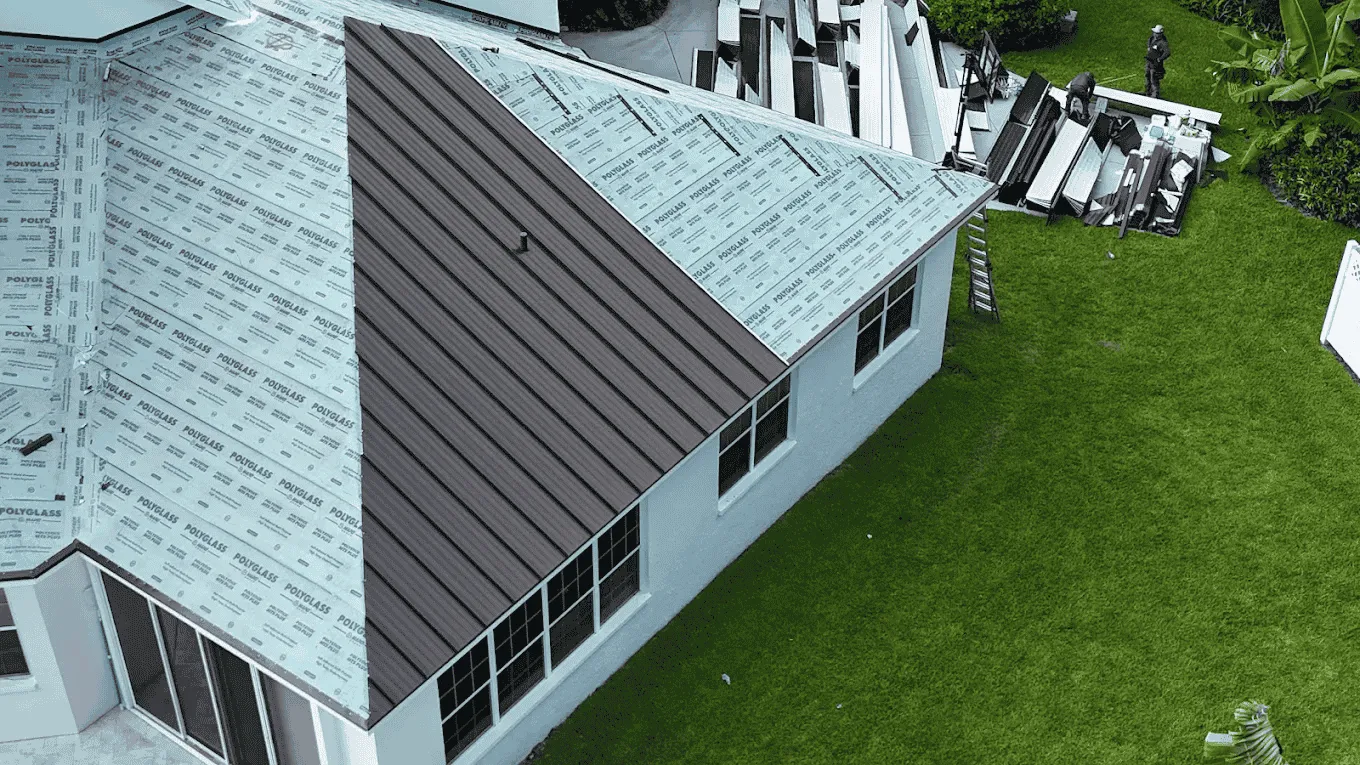
Standing seam metal roofing is often discussed in this context because it typically uses concealed fasteners and interlocking seams, which can reduce some common leak pathways. Exposed-fastener systems can still be viable, but they tend to rely more heavily on the long-term performance of washers and fasteners, which are components that can age and require periodic attention, especially in hot sun and salty air.
Rain performance is usually strong with metal because it sheds water efficiently, but Sarasota homeowners should remember that the most likely leak points are not “in the middle of the panel.” They’re at penetrations, transitions, edges, and flashing details. A roof can have beautiful panels and still leak if the chimney flashing is rushed or if a vent penetration is sealed without long-term movement in mind.
If you want durability that actually shows up when Sarasota weather gets loud, the installation quality and the details around transitions matter as much as the material itself.
Heat Reflection and Energy Performance in Sarasota
Metal roofing gets a lot of attention for its ability to reflect heat, and that can be a real advantage in Sarasota. A roof that reflects more solar energy can reduce heat gain into the attic, which can lighten the workload on your HVAC system. That said, metal’s energy performance depends heavily on the finish color and coating, the roof assembly beneath it, and how your attic is ventilated and insulated.
A light-colored, reflective finish will typically outperform a darker finish when it comes to heat reflection. Some metal roofing products are designed specifically with reflective pigments and coatings that help the roof stay cooler under direct sun. That’s a big deal in Sarasota summers when your roof can be baking for hours.
But homeowners should keep expectations realistic. A metal roof doesn’t replace good attic insulation and proper ventilation. Think of it as part of the equation. If your attic is under-insulated or poorly ventilated, a reflective roof can help, but it won’t fully overcome the rest of the system working against you. When metal roofing is paired with smart ventilation and insulation, Sarasota homeowners often see the best comfort and efficiency results.
Is Metal Roofing Noisy in Storms?
This question comes up all the time, and it’s one of those topics where the internet sometimes exaggerates. Metal roofing can be louder than some other roof types in certain situations, but “noisy” isn’t a guarantee. The sound you experience depends largely on how the roof is installed and what sits beneath it.
When metal roofing is installed over a solid roof deck with proper underlayment and an attic space below, many homeowners find it comparable to other roofing systems during rain. You may still hear a different tone during heavy downpours, but it’s often not the dramatic “drumming” people imagine from movies. That louder effect is more common in open structures, like barns or patios, where metal is installed with minimal insulation and the underside is exposed.
In Sarasota storms, wind is often the bigger comfort issue than rain noise. A well-installed roof should remain secure and tight so you’re not hearing rattles or movement. If a metal roof is noisy because it’s flexing, popping, or vibrating in wind, that’s not a “metal roof thing.” That’s an installation and detailing thing.
How Long Does Metal Roofing Last in Sarasota?
Metal roofing is often chosen for longevity, and many systems are designed to last for decades. The exact lifespan in Sarasota depends on the panel material, coating quality, installation method, proximity to salt exposure, and how well the roof is maintained over time.
In a coastal environment, corrosion resistance and finish durability become the big long-term factors. A metal roof with high-quality protective coatings and compatible components is positioned for a long service life. A roof that uses lower-grade coatings, mixed metals in the wrong places, or shortcuts around penetrations can age much faster than homeowners expect.
It’s also worth noting that “lasting a long time” doesn’t always mean “needing nothing.” A metal roof may remain structurally sound for decades, but certain components like sealants, fasteners, and pipe boot flashings can require attention along the way. In Sarasota, where UV exposure and heat are intense, those smaller components can age sooner than the panels themselves. When homeowners plan for that reality, metal roofing can be a very satisfying long-term choice.
Roof Replacement: Knowing When It’s Time (And Avoiding Panic Decisions)
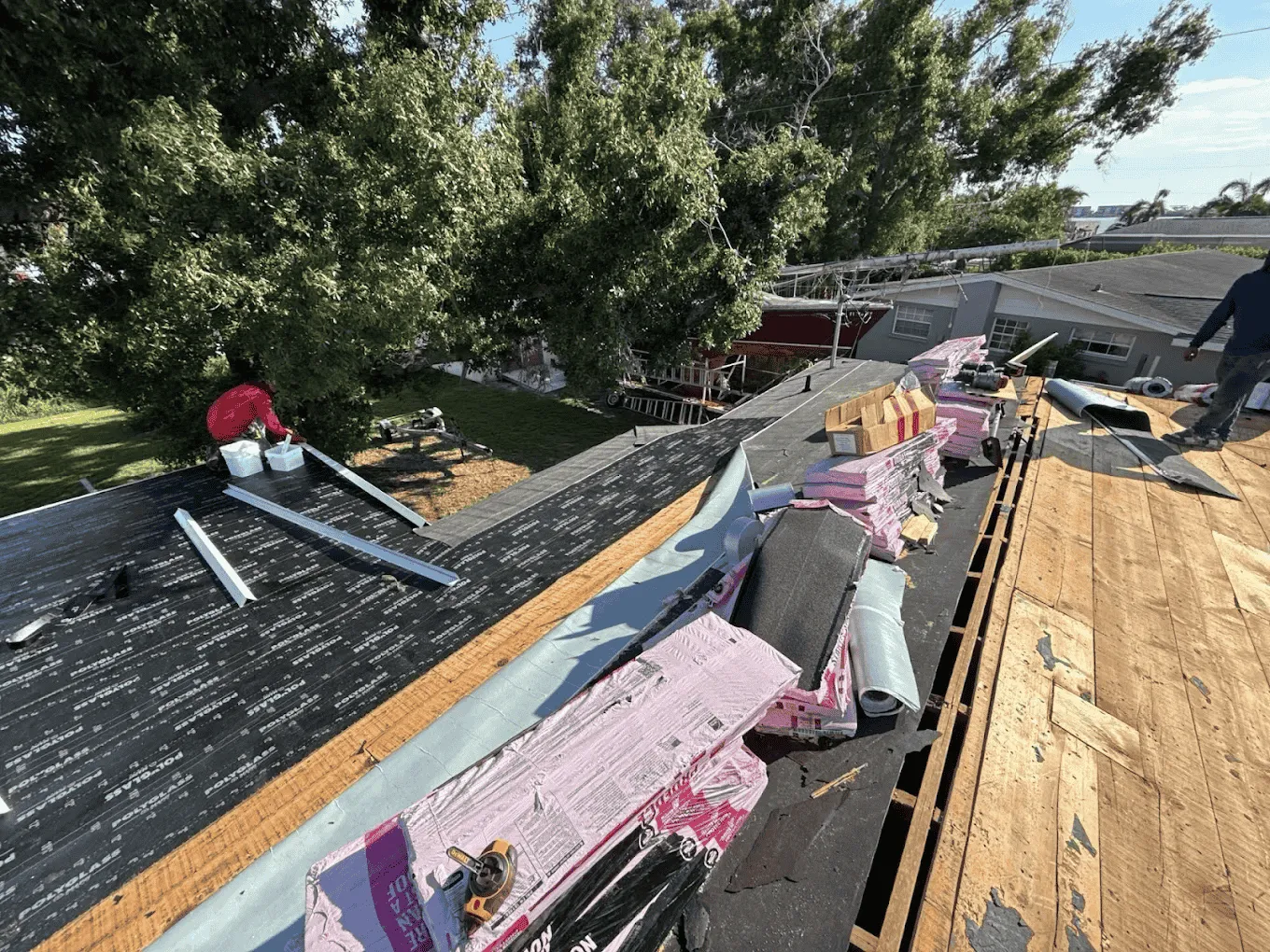
Even durable roofs eventually reach a point where repairs become more frequent, underlayment ages out, or the overall system is no longer delivering the protection your home needs. Roof replacement doesn’t have to be a crisis, but it often becomes one when warning signs go ignored.
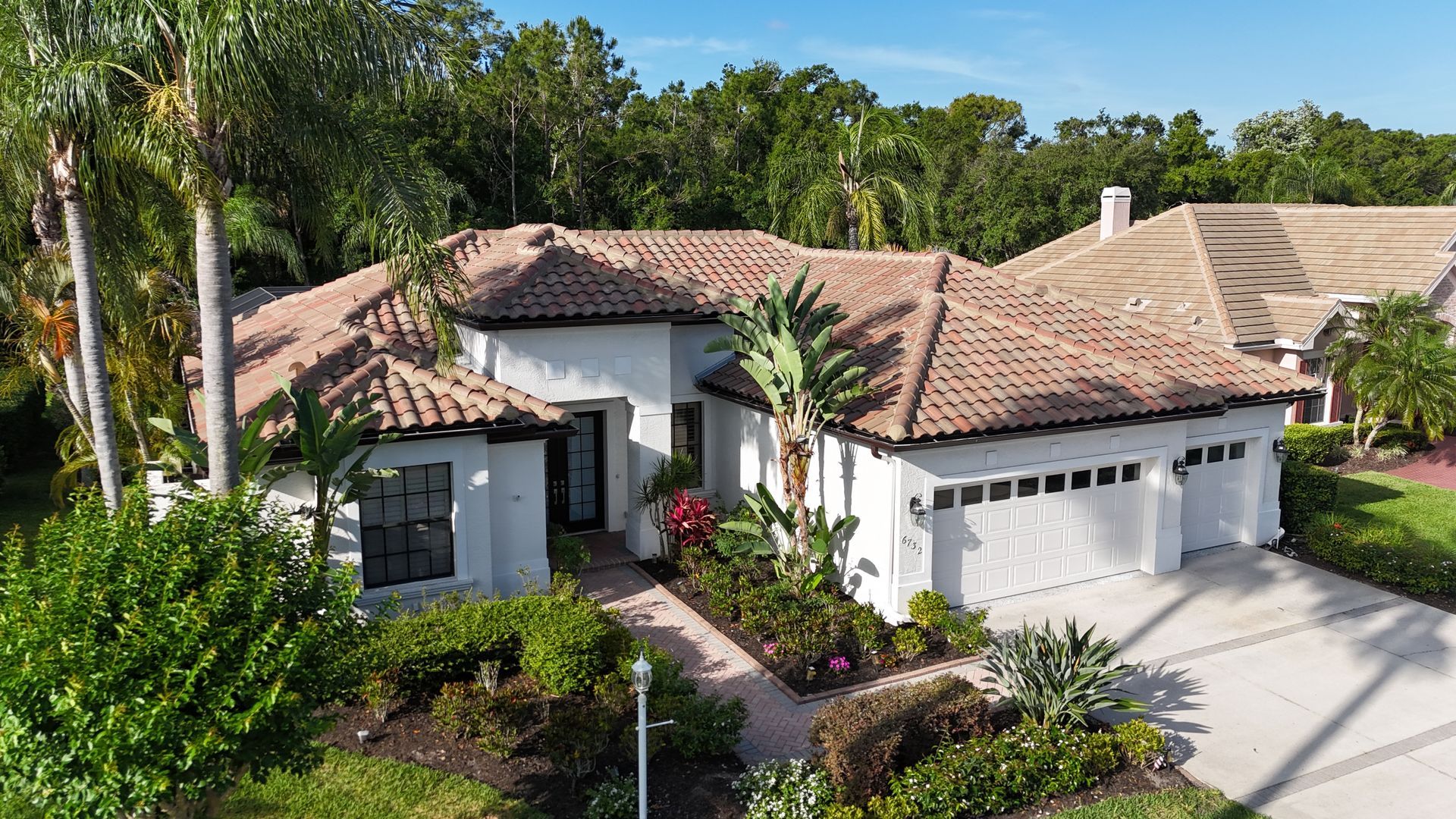
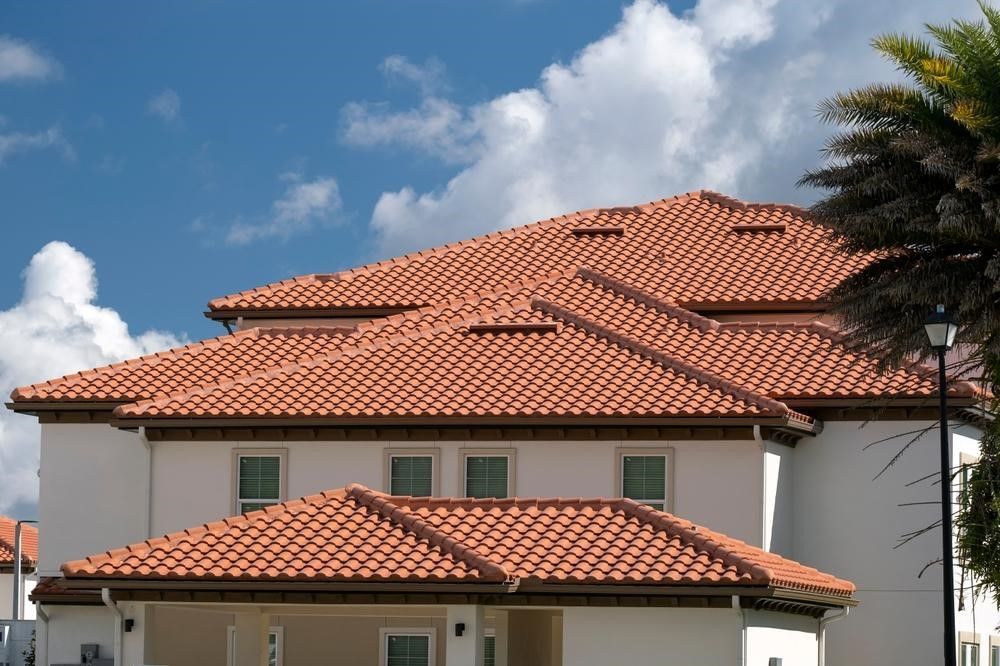
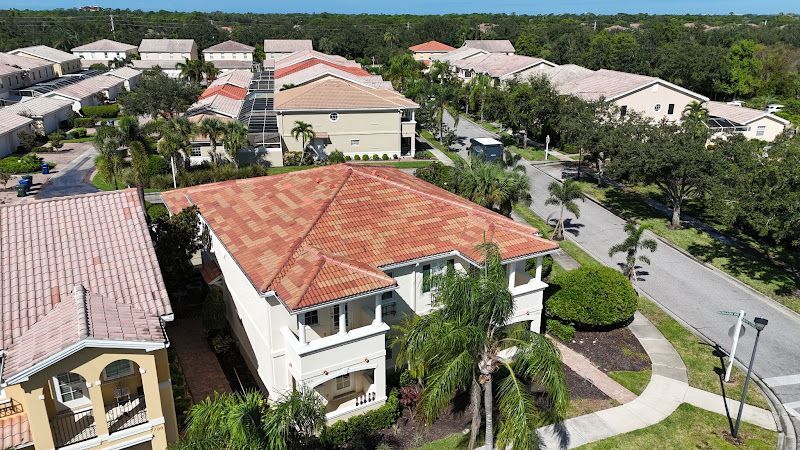
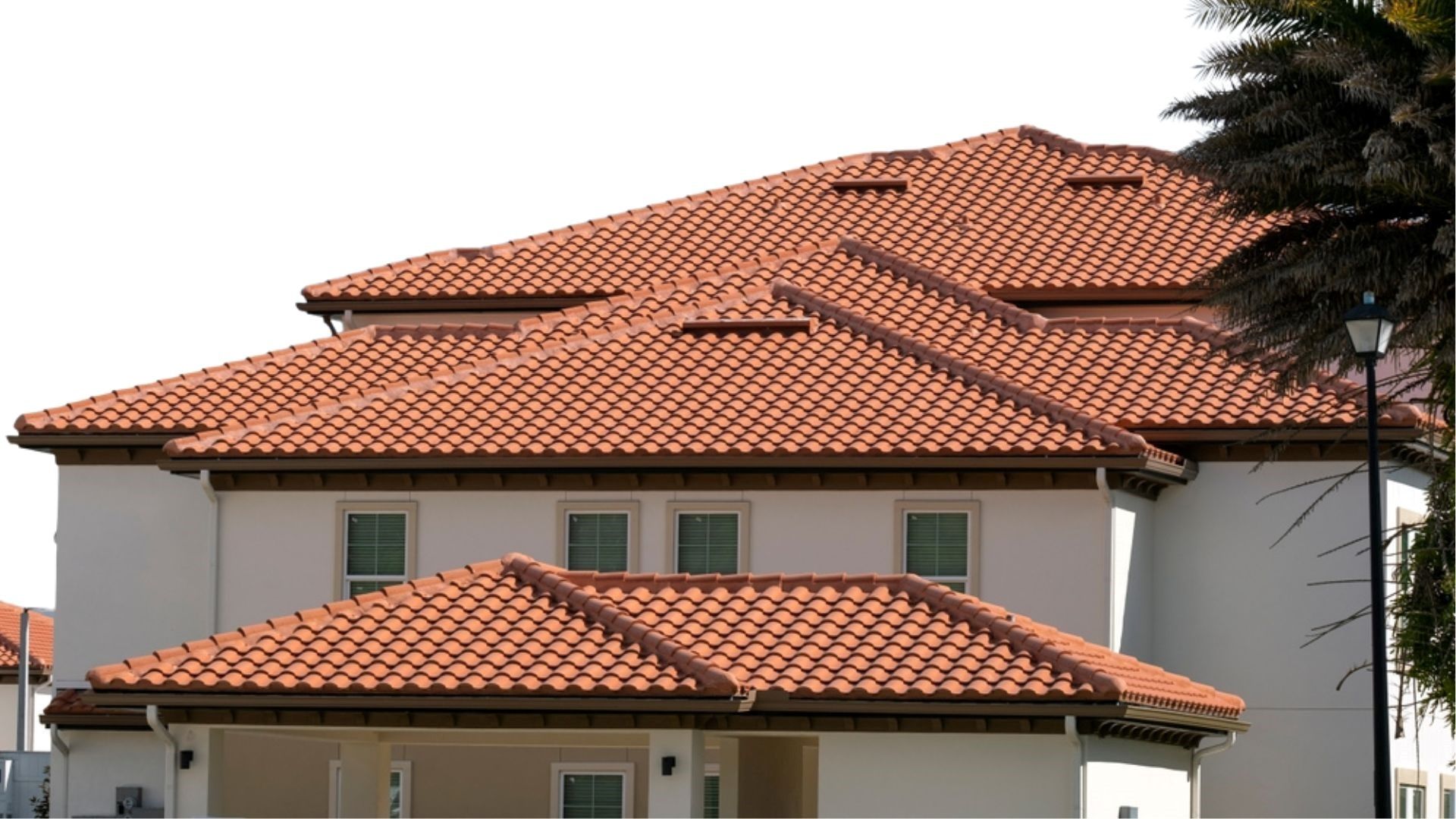
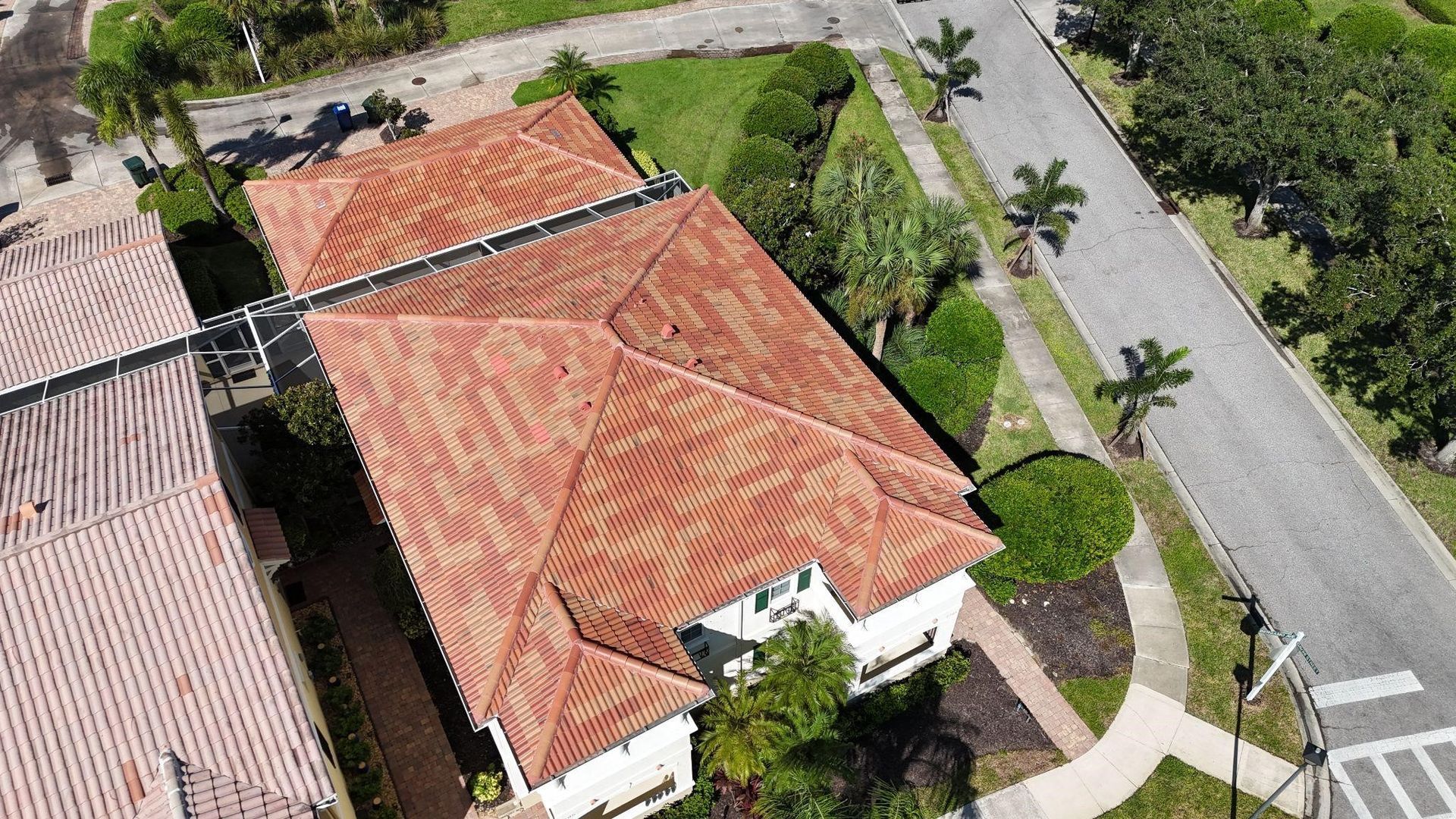
With tile roofing, many homeowners focus on the visible tile and assume everything is fine if the roof “looks okay.” The truth is that the waterproofing layers and critical details beneath the tile do a lot of the heavy lifting. Professional roofing services include helping you understand the real condition of the system, not just the surface appearance.
A responsible roofer won’t push replacement prematurely. They’ll help you weigh repair viability, long-term value, and risk. Sometimes a focused repair is the smart move. Sometimes replacement is the better investment because it resets the system and reduces the chance of hidden water issues. The key is making that decision with clear information, not in the middle of a storm week when everyone is booked and you’re under pressure.
Bundled Services: Why the “Full-Care” Approach Works in Florida
Homeowners often ask whether services should be bundled together. In Florida, the answer is usually yes—at least in the sense that your roof should be managed like a long-term system, not treated as a series of isolated events.
When inspections, roof maintenance, and repairs work together, you get continuity. Your roofer knows the history of your roof, understands which areas have been addressed before, and can spot changes over time. That’s how you shift from reactive spending to planned protection. It’s also how you reduce the likelihood of emergency calls, interior damage, and the stress that comes with last-minute decisions.
Bundling doesn’t have to mean a complicated contract. It can be as simple as scheduling routine inspections and maintenance, and using the same trusted specialist for any tile-related repairs so the roof’s integrity stays consistent. For property managers and homeowners alike, consistency is a real advantage.
What to Expect From a Professional Roofing Company in Florida
When you’re comparing roofing companies, look for signs of a professional process. You want clear communication, honest evaluation, and tile-specific expertise. A professional roofer should be able to explain what they found, why it matters, and what your options are without using scare tactics.
You should also expect the company to take protection seriously. That includes respecting the roof during inspections and repairs, minimizing unnecessary tile disturbance, and focusing on durable solutions rather than cosmetic quick fixes. Professional roofing services should leave you feeling informed, not confused.
At Pelican Roofing, our specialization in tile isn’t a tagline—it’s the whole point. Tile roofing requires a different level of knowledge and care, and Florida homes deserve a roofer who lives in those details every day.
FAQ: Professional Roofing Services for Florida Tile Roofs
What roofing services are most important for Florida homes?
For Florida homes with tile roofing, the most important services are thorough inspections, proactive roof maintenance, and high-skill repairs that protect the roof system—not just the surface. Florida’s wind and rain don’t wait for convenient timing, so the homeowners who do best long-term are the ones who keep their roof evaluated, maintained, and storm-ready instead of waiting for a leak to force action.
Do roofing services include inspections?
They should, and inspections should be more than a quick look. A true professional inspection evaluates the tiles, the vulnerable transition areas, and the components that handle water movement and wind pressure. On a tile system, a roofer’s ability to interpret early warning signs is one of the biggest factors in preventing expensive interior damage later.
How do roofing services extend roof lifespan?
Roofing services extend roof lifespan by reducing avoidable wear and preventing small problems from turning into system-wide failures. Maintenance keeps drainage functioning and details secure, repairs restore performance before water gets where it shouldn’t, and inspections provide early detection so you can address issues while they’re still manageable. In Florida, that proactive rhythm is what turns “good roof” into “great long-term roof.”
Should services be bundled together?
In most cases, a bundled approach works better because it creates consistency and a record of the roof’s condition over time. When the same tile-focused roofer inspects, maintains, and repairs your roof, the service becomes more strategic. Instead of isolated fixes, you get a long-term plan that prioritizes the areas Florida weather stresses most.
When should homeowners contact a roofer?
Contact a roofer after major wind events, when you notice cracked or displaced tiles, when you see interior staining or musty attic odors, or when you simply haven’t had the roof professionally inspected in a while. You don’t have to wait for an active leak. In Florida, the smartest call is often the early call, because it gives you options before damage spreads.
The Bottom Line: Long-Term Protection Comes From Professional Care
Florida homeowners don’t need roofing services that just make problems quieter for a few months. They need services that keep the roof system strong through heat, humidity, heavy rain, and storm season. With tile roofing, that long-term protection is absolutely achievable—but it depends on specialist knowledge, careful workmanship, and a proactive mindset.
If you’re comparing roofing companies, prioritize the one that treats tile as a craft and a system, not a surface. Look for clear inspections, thoughtful roof maintenance, and repairs that solve root causes. And when the time comes for roof installation or roof replacement, choose a team that understands what Florida demands from a roof.
Pelican Roofing is built around one specialty: tile roofing in Florida.
If you want a roof that’s prepared for the long haul, start with a professional evaluation and a plan that protects your home season after season.