How Salt Air and Florida Humidity Affect Your Roof in Sarasota and Southwest Florida
Coastal Roofing Tips for Sarasota, Venice, Manatee County and Charlotte County Homeowners

Living near the Gulf Coast is one of the best parts of Southwest Florida, but salt air, intense sun and year-round humidity can quietly shorten the life of a roof. Homeowners in Sarasota, Venice, Bradenton, North Port, Englewood, Port Charlotte and nearby communities should know what coastal weather does to roofing materials—and what simple maintenance can prevent expensive damage.
Why Coastal Florida Is Hard on Roofing Systems
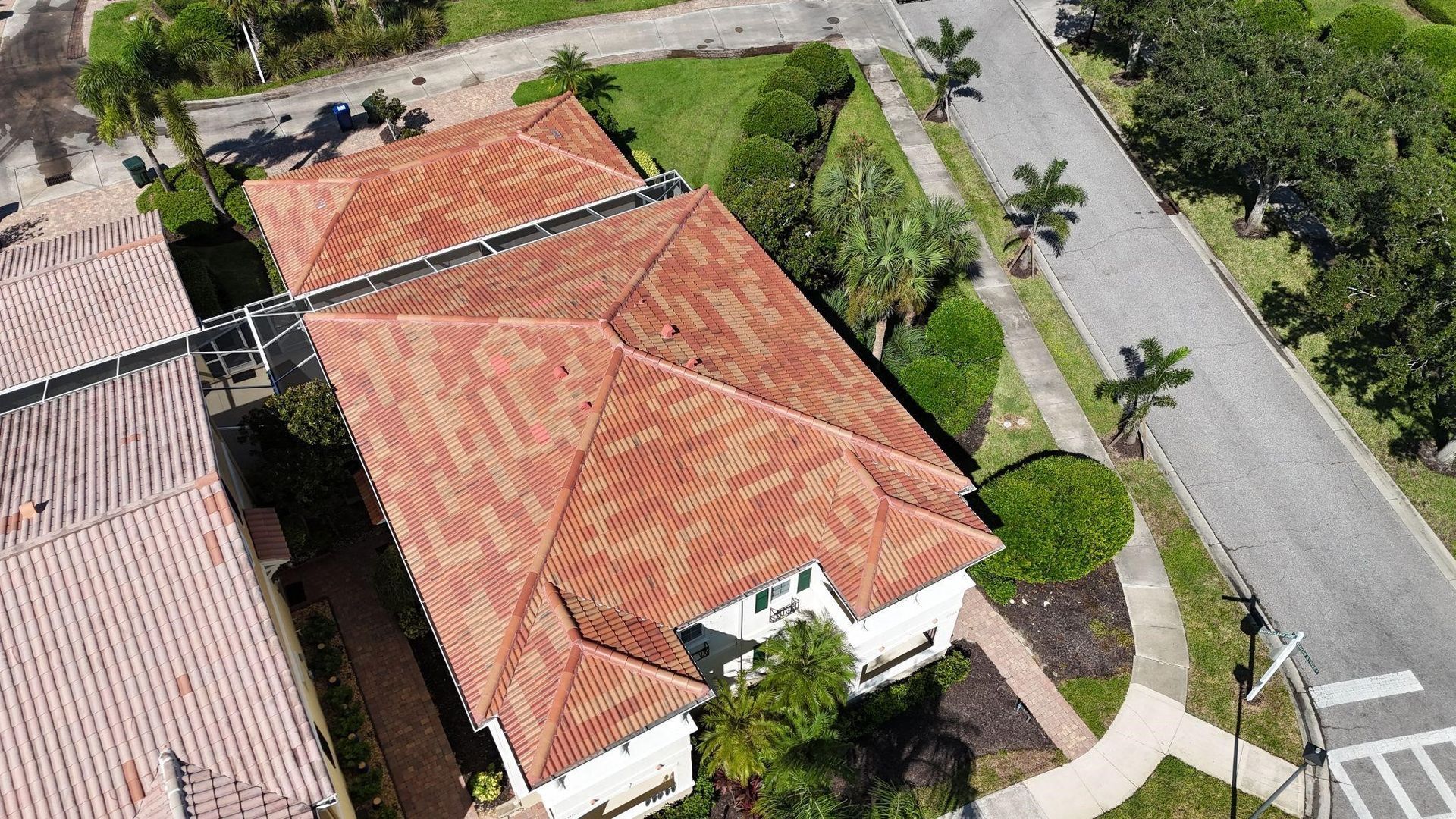
A roof in Sarasota or Manatee County faces conditions that are very different from those in a cooler, drier climate. Sea salt can travel inland on coastal breezes and settle on metal components. High humidity keeps roof surfaces and attic spaces damp longer. Strong ultraviolet exposure dries and ages sealants, while sudden downpours test flashing, underlayment and drainage.
None of these conditions automatically means your roof is failing. The concern is cumulative wear. Small vulnerabilities can grow faster when heat, moisture and salt are working together.
How Salt Air Can Damage a Roof
Salt attracts and holds moisture. Over time, that combination can contribute to corrosion on exposed fasteners, flashing, vents, gutters and other metal roof components. Homes closer to Sarasota Bay, Siesta Key, Venice, Englewood and Charlotte Harbor may see these effects sooner, but salt can also travel farther inland than many homeowners expect.
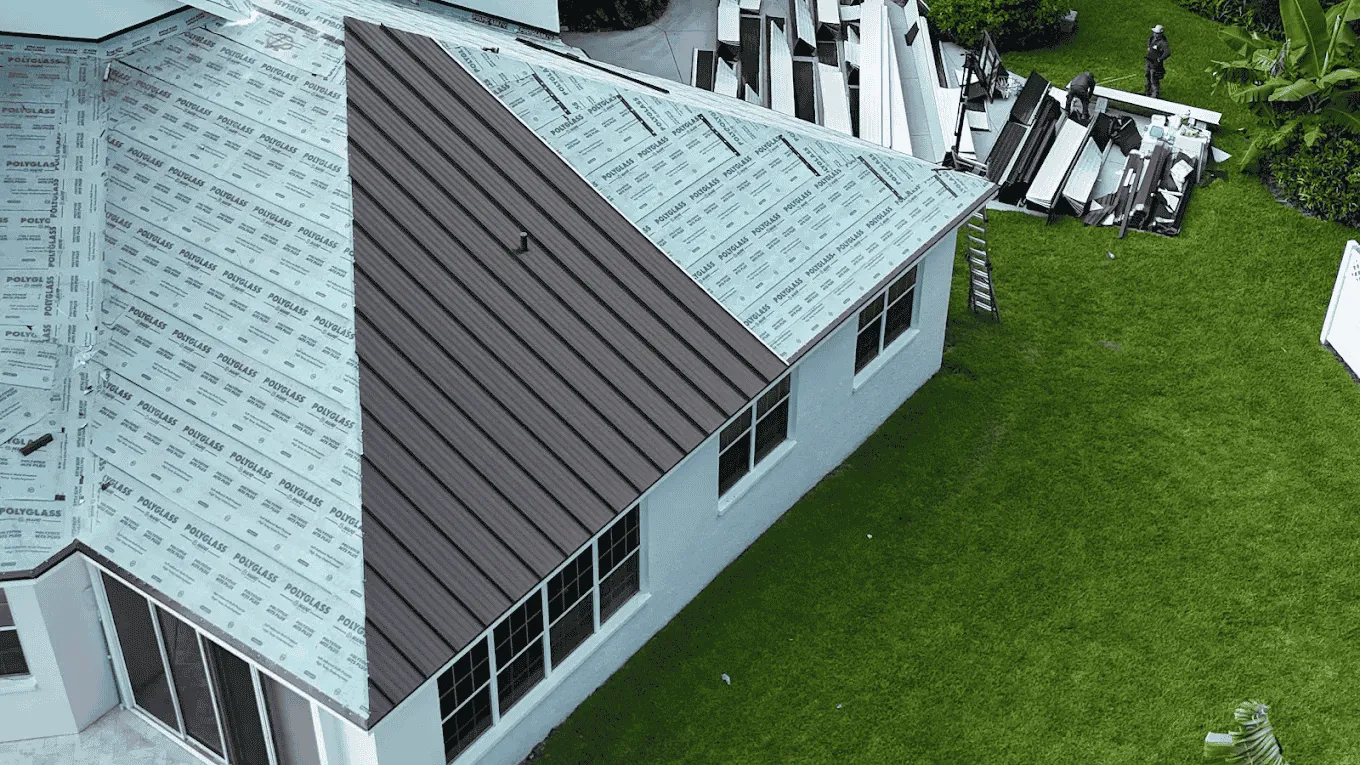
Metal roofing is a strong option for Southwest Florida when it is properly selected and installed. Protective coatings, compatible fasteners and careful attention to cut edges and penetrations all matter. Tile and shingle roofs also contain metal components, so corrosion is not only a concern for homes with metal panels.
What Humidity Does to Your Roof and Attic
Florida humidity becomes a roofing problem when moisture cannot escape. Poor attic ventilation can trap hot, damp air beneath the roof deck. This may increase cooling demands, encourage condensation and contribute to deterioration of wood decking or insulation.
Watch for musty attic odors, dark staining on roof decking, rust around fasteners, damp insulation or unusually high indoor humidity. These signs do not always identify the source, but they are good reasons to schedule a professional roof and attic inspection.
Warning Signs Sarasota-Area Homeowners Should Check
You do not need to climb onto your roof to spot possible trouble. A safe walk around your property can reveal early warning signs, including:
• Rust or discoloration around flashing, vents and exposed fasteners
• Lifted, cracked or missing shingles
• Slipped, cracked or broken roof tiles
• Faded, chalking or peeling coatings on metal components
• Water stains on ceilings or walls
• Granules collecting near downspouts
• Sagging gutters. orwater overflowing during heavy rain
• Debris collecting in roof valleys
• Musty odors or excessive heat in the attic
After a major thunderstorm or tropical weather event, check the property again from ground level. Wind-driven rain can expose a weak point that was not leaking during normal rainfall.
Roof Maintenance Tips for Sarasota, Venice and Nearby Communities
Consistent maintenance is the best defense against coastal wear. Keep gutters and downspouts clear so heavy rain can leave the roof quickly. Trim branches that rub against roofing materials or drop debris into valleys. Have damaged sealant, loose flashing and cracked tiles addressed before the next stretch of severe weather.
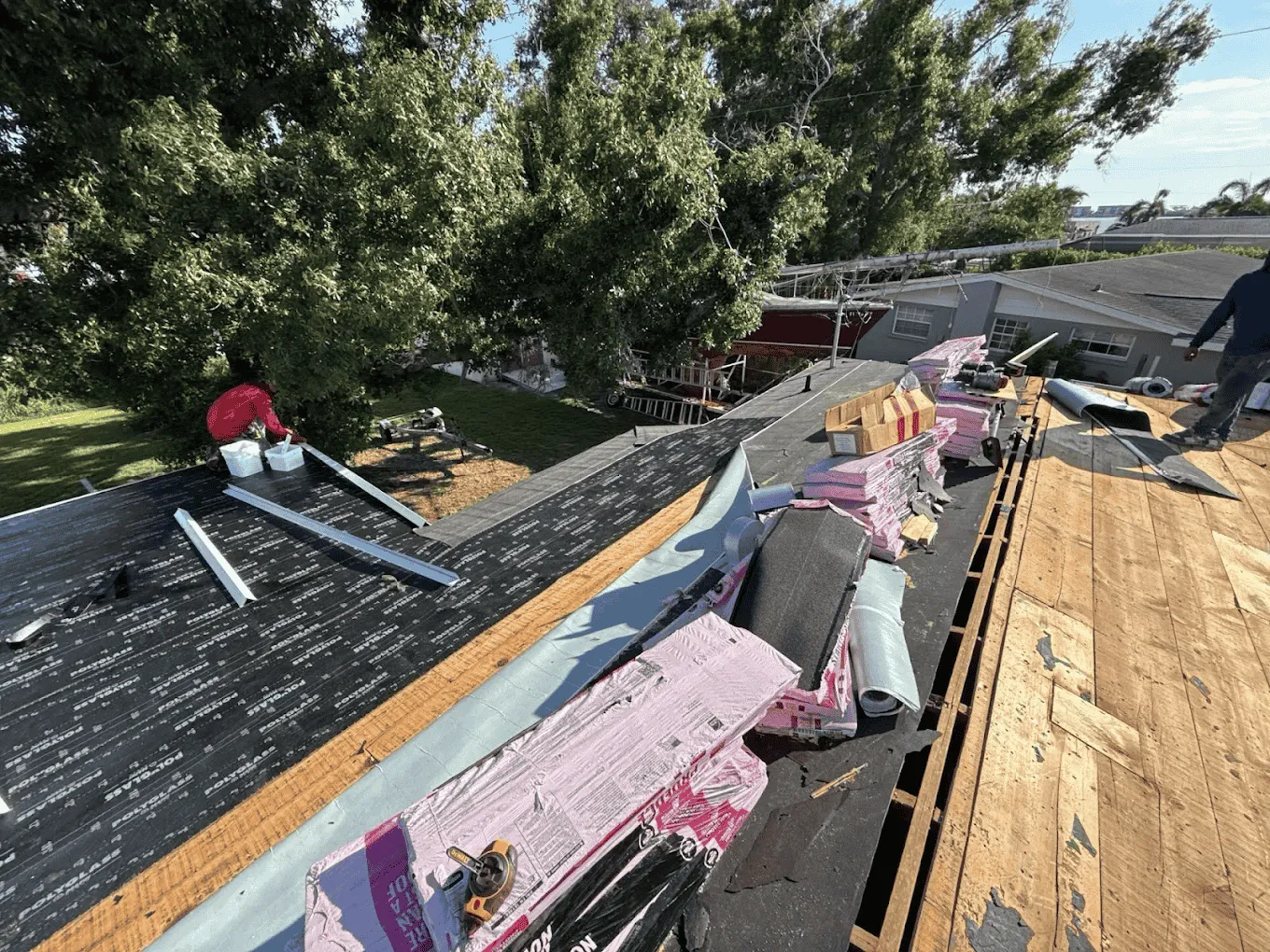
It is also wise to schedule periodic professional inspections, especially after strong storms or when buying an older home. An experienced local roofer can evaluate areas that are difficult to see from the ground, including penetrations, underlayment exposure, flashing details and attic ventilation.
Avoid pressure washing a roof without professional guidance. Aggressive cleaning can damage shingles, disturb tiles and force water into places it should not go. The right cleaning method depends on the roofing material and its condition.
Choosing Roofing Materials for Southwest Florida
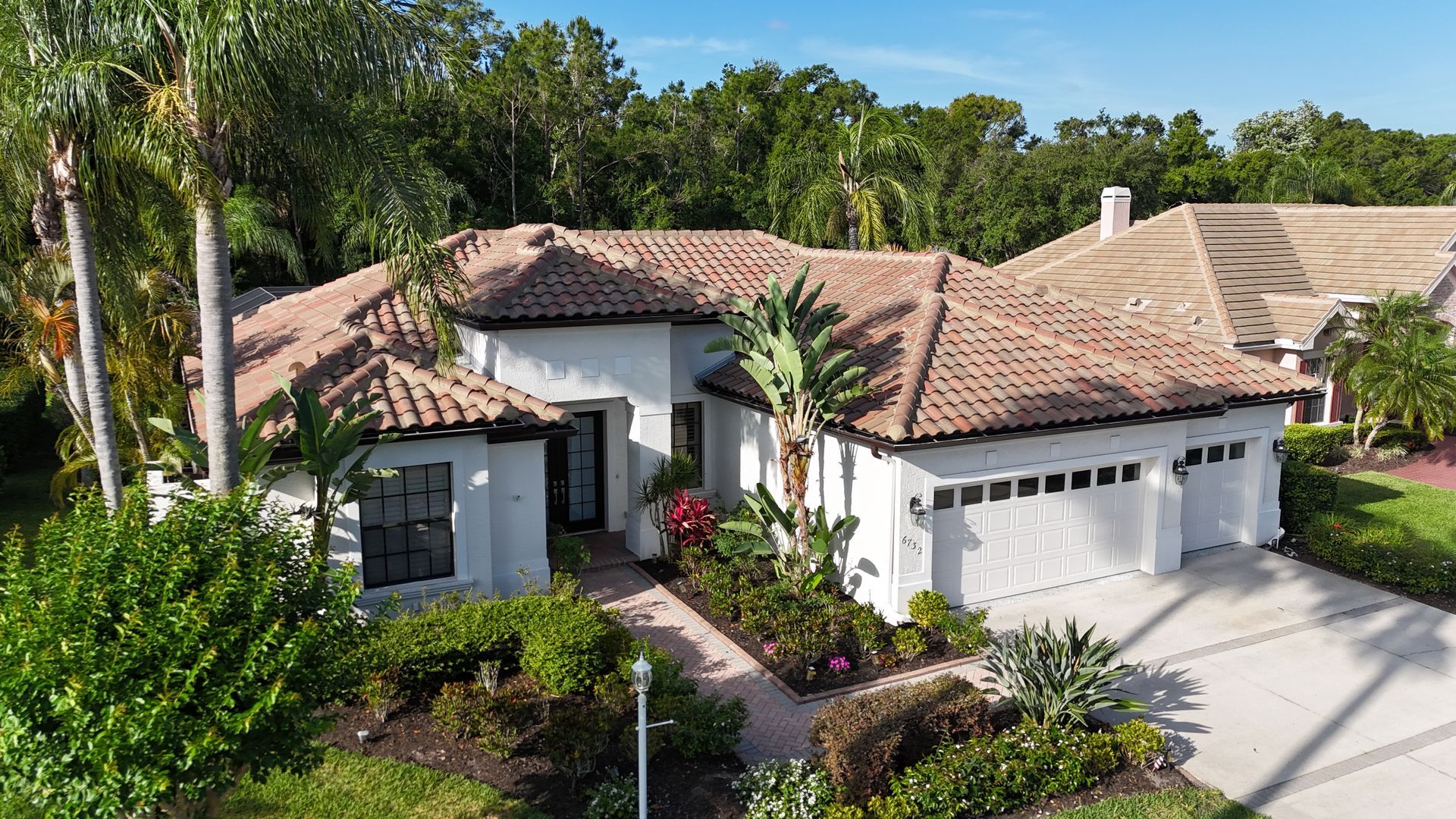
There is no single best roof for every home. Asphalt shingles can provide dependable value when installed as a complete system. Tile offers a classic Florida appearance and strong durability, but cracked or displaced tiles require prompt attention. Metal roofing can perform very well in coastal conditions when coatings, fasteners and installation details are appropriate for the environment.
The best choice depends on the home, budget, neighborhood requirements, ventilation, roof design and proximity to the coast. A local roofing contractor should explain the tradeoffs clearly instead of recommending. thesame material for every property.
Local Conditions Matter from Manatee County to Charlotte County
A roof near Anna Maria Island faces greater direct salt exposure than many inland Lakewood Ranch homes. Venice and Englewood properties may experience a different mix of coastal wind, mature tree cover and older construction. In North Port and Port Charlotte, intense heat, heavy rain and hurricane-season preparation remain major concerns even when a home is several miles from open water.
That is why a local assessment matters. The right maintenance plan should reflect your roof type, age, surroundings and actual exposure—not just a generic Florida checklist.
Schedule a Local Roof Inspection with Pelican Roofing FL
If you have noticed corrosion, loose roofing materials, attic moisture or a leak, it is better to investigate early. Pelican Roofing FL helps homeowners throughout Sarasota, Manatee and Charlotte counties, including Sarasota, Bradenton, Lakewood Ranch, Venice, North Port, Englewood and Port Charlotte.
Contact Pelican Roofing FL at 941-914-4088 to schedule a roof inspection or request a free estimate. Our team can identify coastal wear, explain your options and help protect your home before a small issue becomes a larger repair.